https://www.gckarate.com.au/free-trial/

Tag: kids karate

  • Choosing the Right Karate School

    Choosing the Right Karate School

    Choosing the right karate school is one of the most important decisions you can make when starting—or continuing—your martial arts journey. Not all schools are created equal, and understanding what to look for can make the difference between simply attending classes and truly learning authentic karate.


    What Makes a Good Karate School?

    A quality karate school should offer more than just a workout. While fitness is a benefit, traditional karate is about developing the whole person—physically, mentally, and emotionally. Look for a school that emphasises discipline, respect, focus, and personal growth alongside technique.

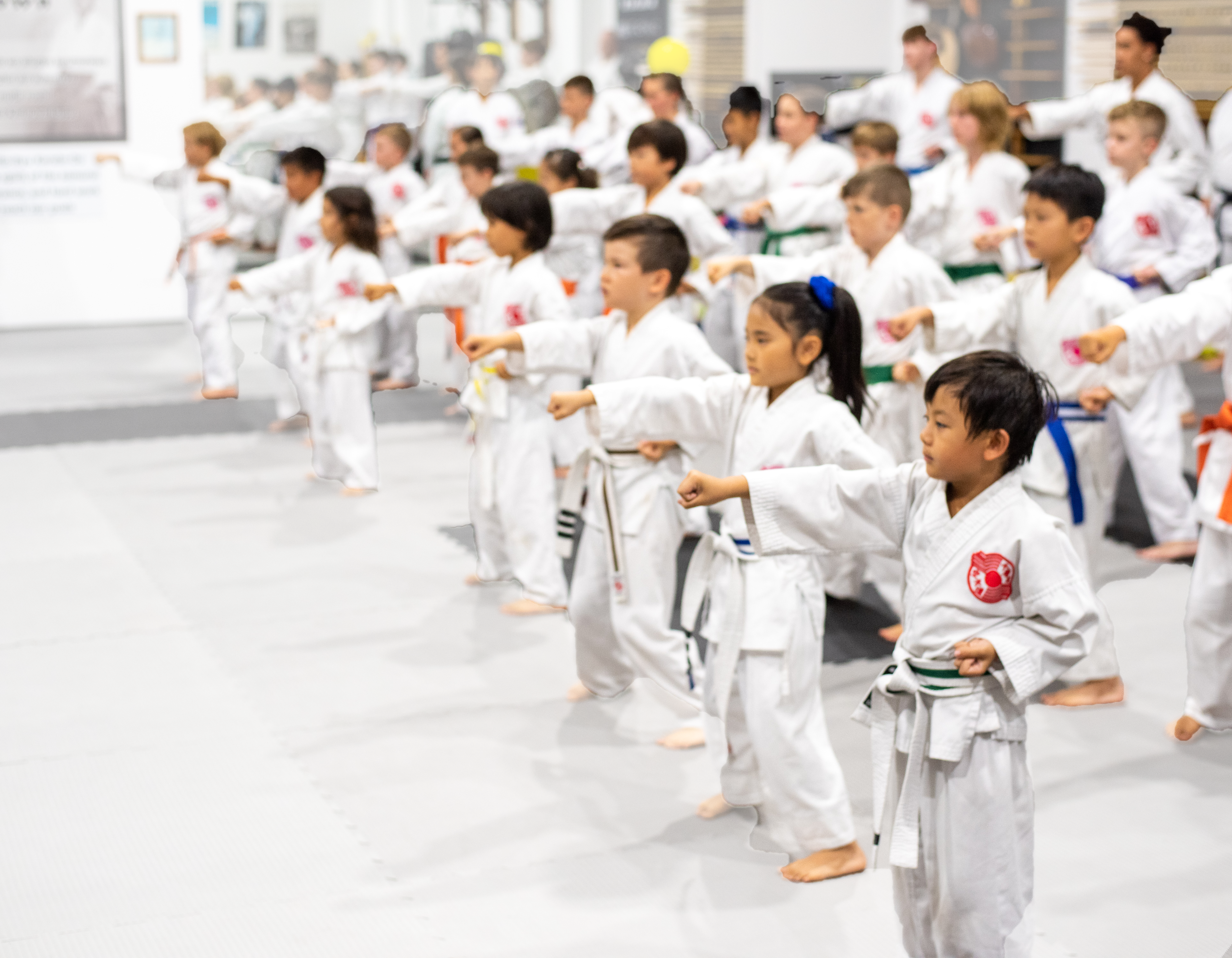
    Strong, structured classes are another key indicator. A good dojo will have a clear curriculum, progressive learning, and a balance of basics (kihon), forms (kata), and application (kumite). There should be a logical pathway for students to develop over time, rather than random or inconsistent training.

    Book a free trial lesson at Gold Coast Chito-Ryu Karate –


    Qualified and Experienced Instruction

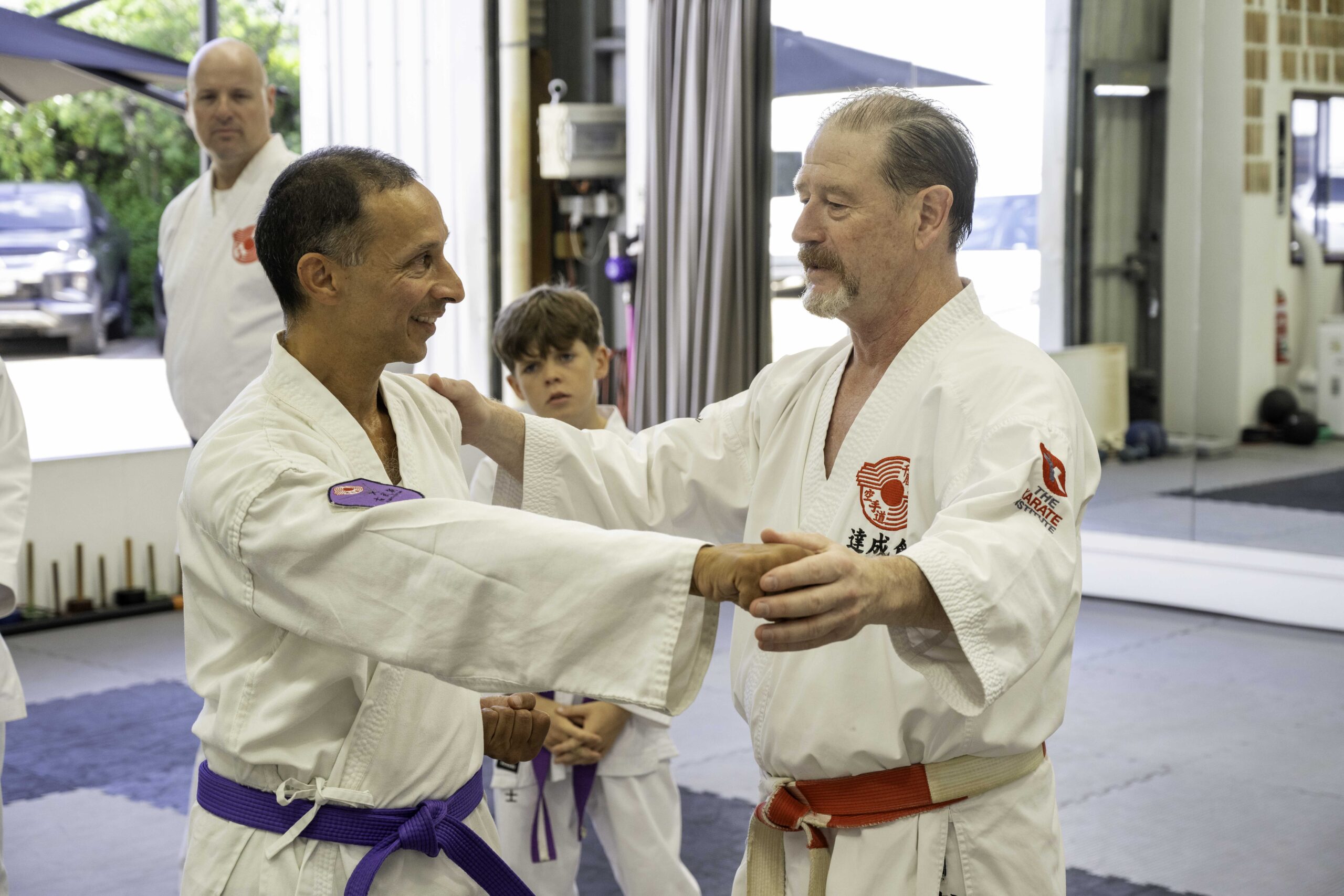
    The instructor plays a critical role in your experience. A good teacher doesn’t just demonstrate techniques—they understand them deeply and can break them down in a way students of all levels can grasp.

    Look for instructors with years of training, a proven track record, and the ability to connect with students. They should maintain high standards while still creating a supportive and encouraging environment.

    The Importance of True Lineage

    One of the most overlooked—but essential—elements of a good karate school is lineage.

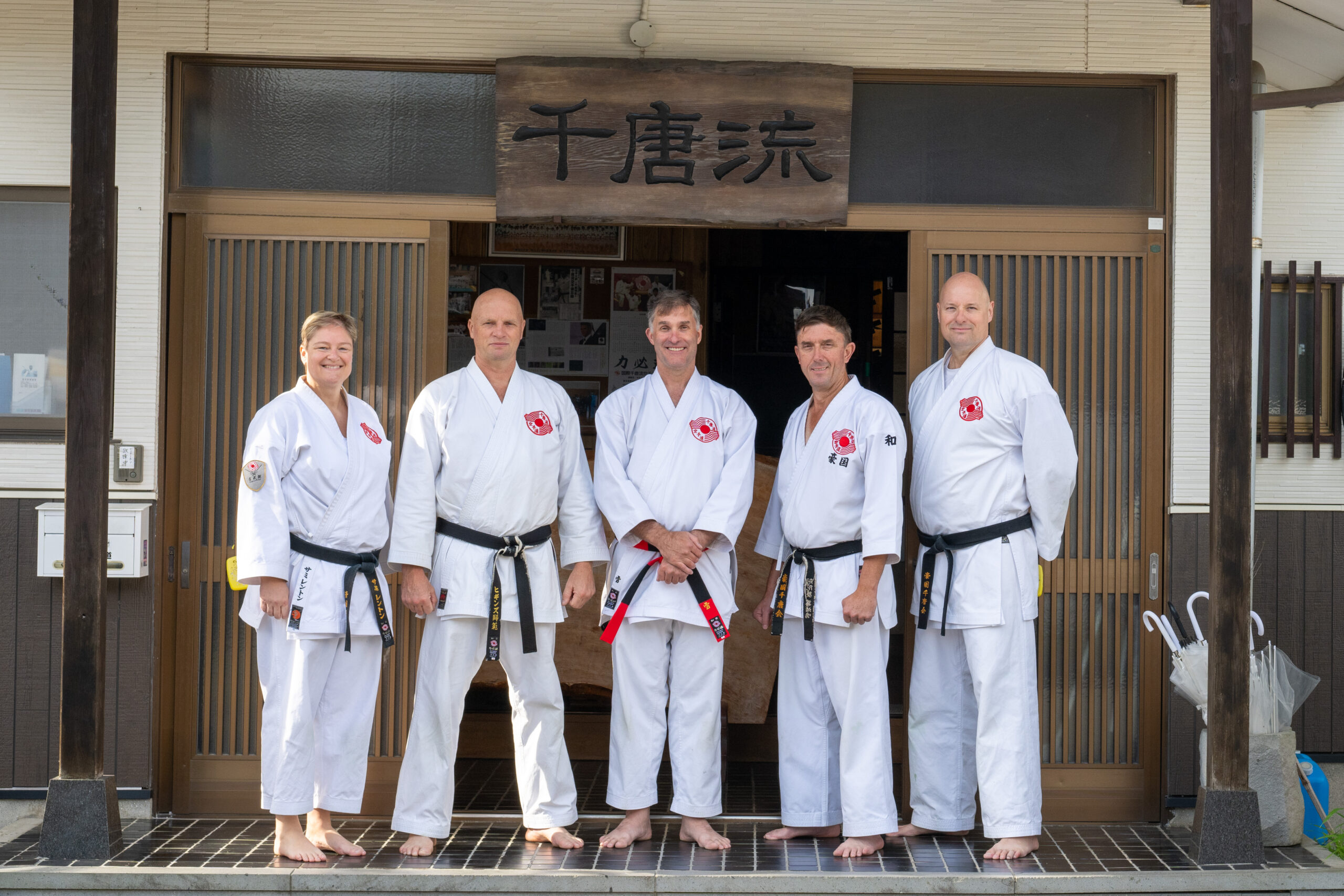
    Authentic karate is passed down from teacher to student over generations. This lineage ensures that what is being taught is not diluted, modified beyond recognition, or simply made up. It connects students to the origins of the art and preserves the principles that make karate effective.

    Without a clear lineage, it becomes difficult to verify the legitimacy of the techniques or the ranking system. Unfortunately, in today’s world, it’s easy for schools to claim credibility without a genuine connection to traditional roots.

    A reputable dojo will openly share its lineage and affiliations, showing exactly where its teachings come from.

    Real Karate vs “McDojo” Training

    In your search, you may come across schools that prioritise rapid grading, flashy techniques, or commercial gain over substance. These are often referred to as “McDojos.”

    Signs to watch for include:

    • Guaranteed black belts in a short time
    • Excessive focus on fees over training quality
    • Lack of depth in technique or understanding
    • Minimal emphasis on discipline or tradition

    Authentic karate takes time. It requires patience, consistency, and effort. A good school will never promise shortcuts—it will guide you through a proven process of development.


    Community and Culture

    A strong dojo culture is another important factor. Students should feel supported, challenged, and part of a community. Respect between instructors and students—and among students themselves—should be evident from the moment you walk in.

    A positive environment helps students stay motivated and committed over the long term.


    An Example of a Quality Dojo

    While these principles apply broadly, a school like Gold Coast Chito-Ryu Karate is a strong example of what to look for.

    With a foundation in traditional Chito-Ryu karate, the dojo emphasises authentic technique, structured learning, and strong fundamentals. Its clear lineage ensures students are learning a system that has been passed down with integrity, preserving both effectiveness and tradition.

    Beyond technique, the focus is on developing character—building confidence, discipline, and resilience in students of all ages. Classes are designed to challenge individuals while supporting them in their personal journey, whether they are beginners or working toward advanced ranks.


    Final Thoughts

    Choosing a karate school shouldn’t be rushed. Take the time to visit, observe, and ask questions. Look beyond the surface and consider the depth of what is being taught.

    Authentic karate is more than kicks and punches—it’s a lifelong path of growth. When you find the right dojo, you’re not just joining a class—you’re becoming part of a tradition.

    Book a free trial lesson at Gold Coast Chito-Ryu Karate
  • Autumn Grading Success

    Autumn Grading Success

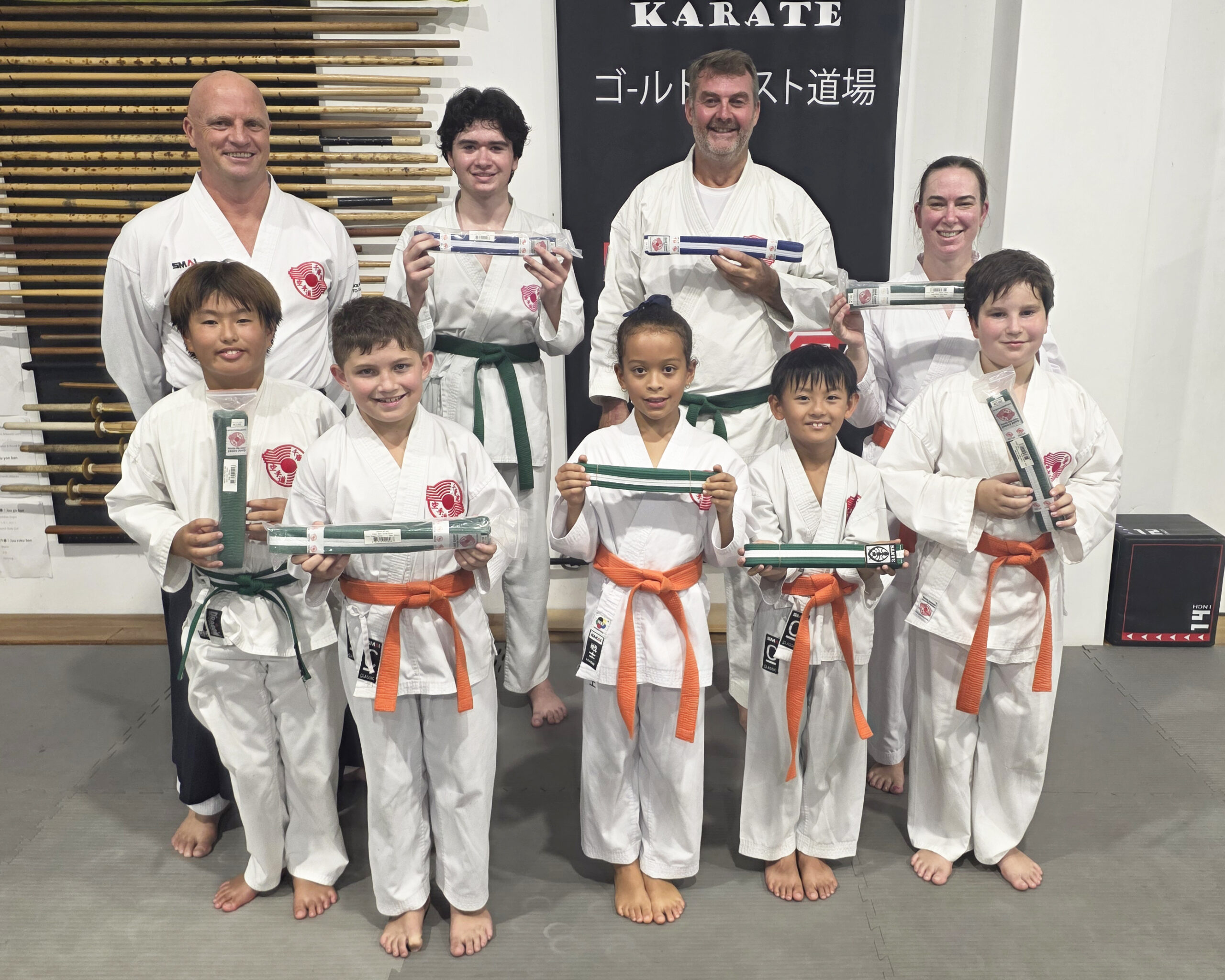
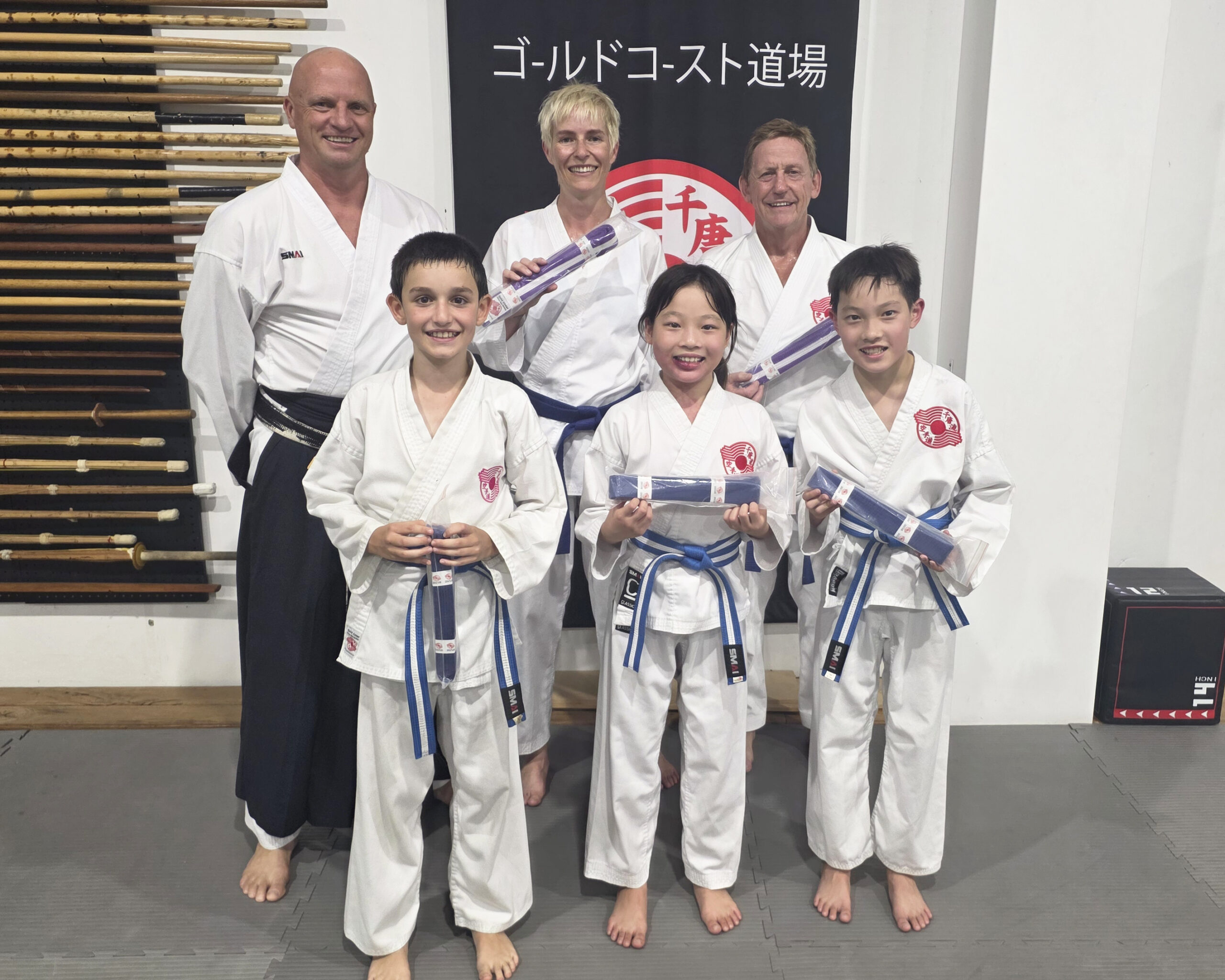
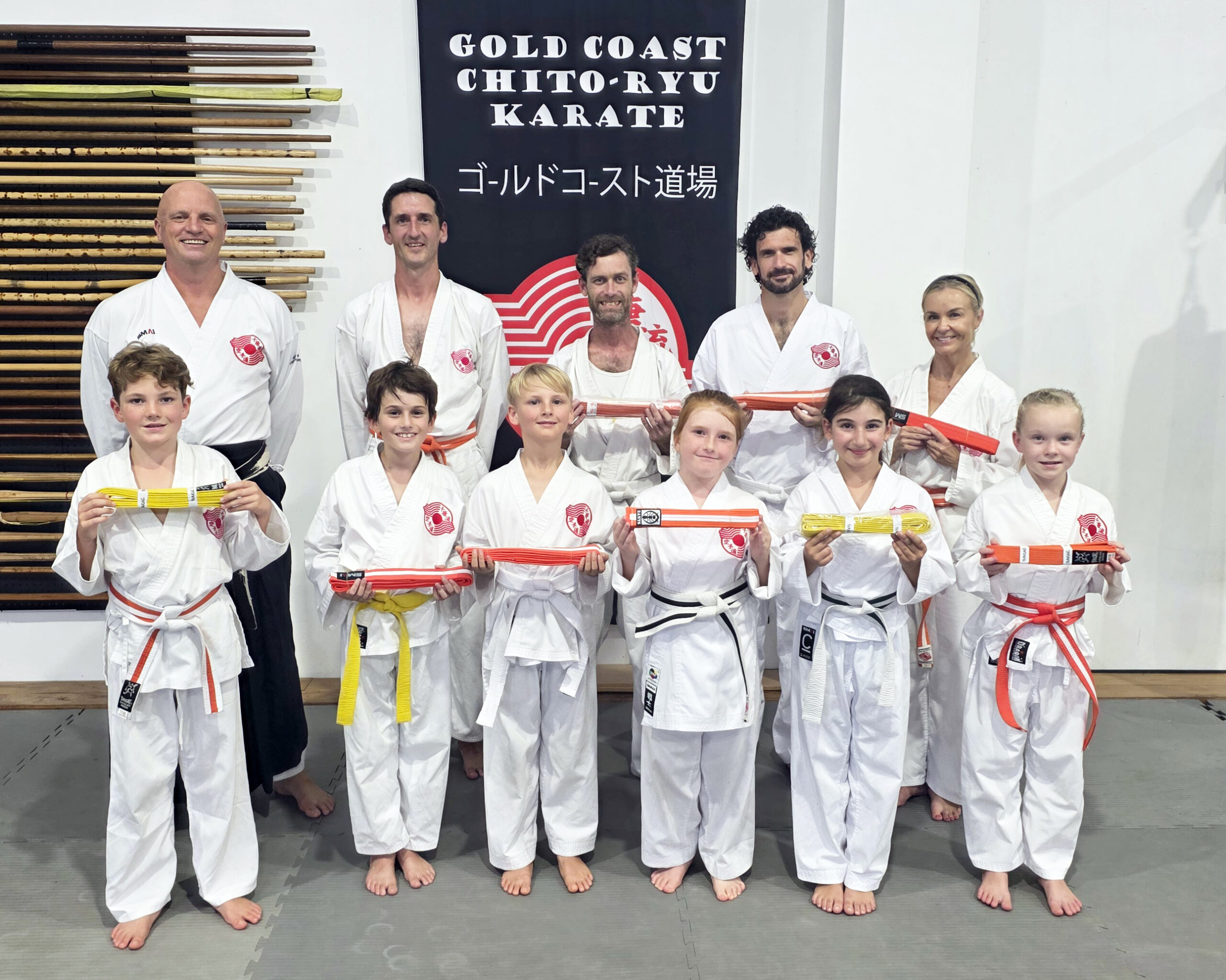
    Congratulations to all students who successfully passed their recent grading at Gold Coast Chito-Ryu Karate.

    Gradings are an important milestone in every student’s karate journey. They represent the dedication, perseverance, and consistent effort students put into their training week after week. Each grading is not only a test of technique, but also of spirit, focus, and character.

    It was fantastic to see students of all ages step onto the dojo floor and demonstrate their progress in kihon (basics), kata, and kumite. The improvement across the dojo continues to be impressive, and it is clear that everyone is committed to striving for their personal best.

    Achieving a new belt or stripe is something to be proud of, but it is also a reminder that karate is a lifelong journey of learning and self-development. Every new rank brings new challenges and new opportunities to grow.

    A special thank you also goes to the instructors and senior students who help guide and support our members through their training and preparation.

    Once again, congratulations to all students who graded. We look forward to seeing you continue your journey toward your next goals in karate.

    Train hard, stay humble, and keep moving forward. 🥋

    Tom Allibone (5 Kyu – Purple & White)
    Sarah Huston (5 Kyu – Purple & White)
    Leon Cersofios (6 Kyu – Blue)
    Hou Leung (Cody) Ng (6 Kyu – Blue)
    Kar Yann (Chloe) Ng (6 Kyu – Blue)
    Harrison Coughlin (7 Kyu – Blue & White)
    Jeremy Valencour (7 Kyu – Blue & White)
    Zen Kudo (8 Kyu – Green)
    Owen Constantino (9 Kyu – Green & White)
    Amy Graham (9 Kyu – Green & White)
    Robert Graham (9 Kyu – Green & White)
    Jackson Lowe (9 Kyu – Green & White)
    Ophelia Wu Leng (9 Kyu – Green & White)
    Thomas Connolly (10 Kyu – Orange)
    Amelia Wyatt (10 Kyu – Orange)
    Katie Wyatt (10 Kyu – Orange)
    Rhen Craig (11 Kyu – Orange & White)
    Zara Deans (11 Kyu – Orange & White)
    Eliah Hurtig (11 Kyu – Orange & White)
    Jayden Vandermaat (11 Kyu – Orange & White)
    Liam Wood (11 Kyu – Orange & White)
    Vienna Bakir (12 Kyu – Yellow)
    Leo Everitt (12 Kyu – Yellow)

  • Young Leaders in Karate

    Karate is great for self-fitness, self-defence, self-confidence and many other personal benefits. One of the extended benefits of karate training is the opportunity to develop leadership and teaching skills. Like all activities, being good at something does not necessarily automatically make you a great teacher. Just being a black belt does not make you a great teacher. Teaching in itself is a skill set that also needs training and development but does share many common attributes of karate.

    To be a good teacher requires among other things:

    • Awareness of others (a karate skill)
    • Awareness of self (a karate skill)
    • Ability to remain clam (a karate skill)
    • Ability to strategise and think on your feet (a karate skill)
    • A kind giving heart (fostered in a karate dojo)
    • Resilience (a karate skill)
    • A solid knowledge of the material being delivered (acquired through constant regular karate training)

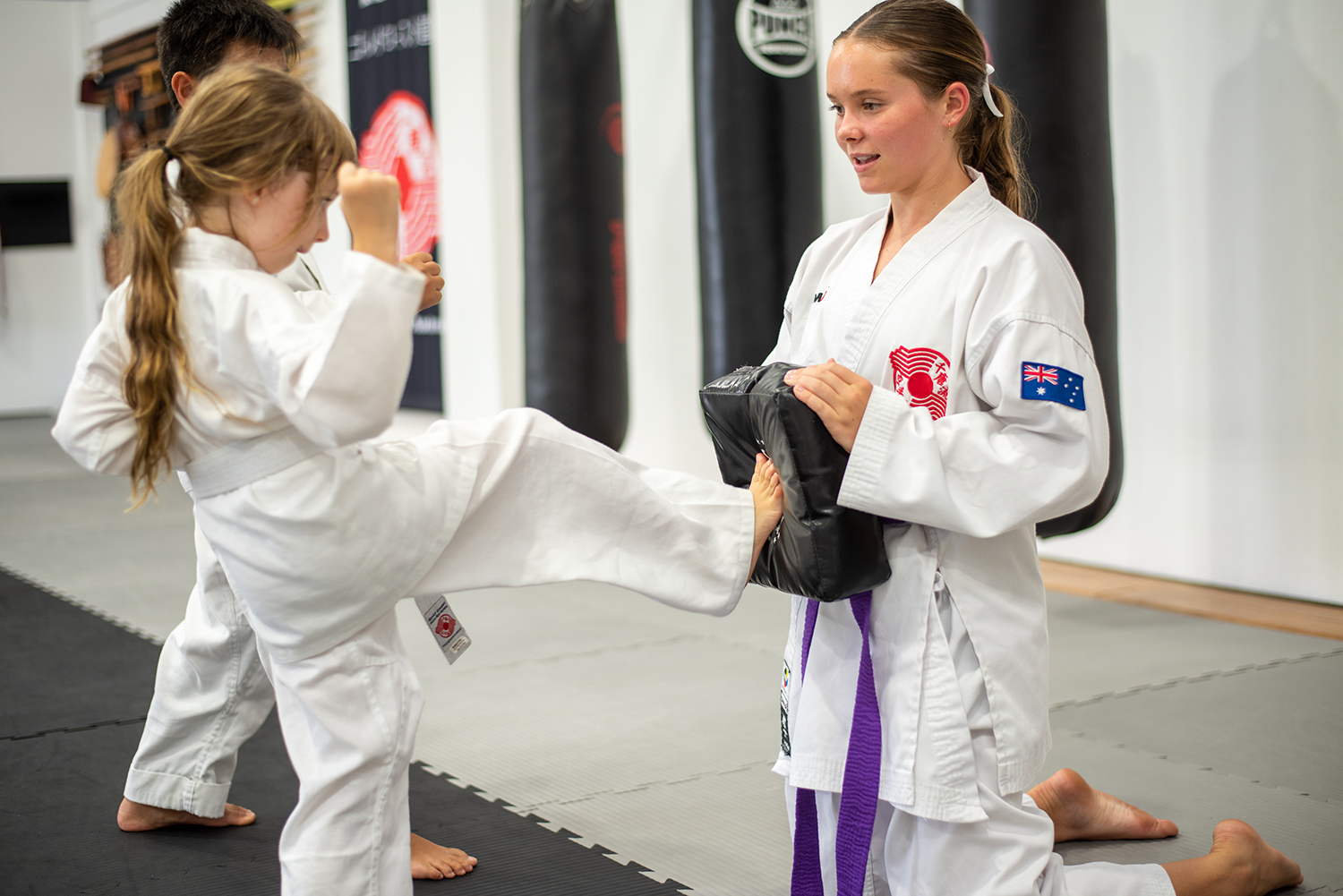
    At Gold Coast Chito-Ryu Karate we provide a leadership program to help develop our future leaders for the dojo and the wider community. Over the years of our dojo we have had a number of karate kids become school, house and team leaders. Members of our Leadership team work on assisting in classes for our younger dojo members as well as working on themselves to be leaders by example in their own classes.

    The following excerpt from a grading essay by one of our young dojo leaders,  Millicent Mansbridge (13 years) is a great example of the thought process and beliefs of our leaders already showing a high level understanding of leading and teaching.

    “Another one of my responsibilities is as leader, I was very happy and felt proud when I became a leader and I love to lead. I love to help teach new and young members of our dojo.

    I think little children respond well to older children so I like to make the most of this and build bonds with the juniors. I need to engage with them in a way that they will respond positively to, I need to use correct language, talk in ways they will understand, make things fun, not be too serious, take time and be patient. I also need to make sure that what I am teaching they are understanding, don’t just position them or manoeuvre them where they need to be but help them understand why they are doing what they are doing.

    It is important too to give feedback, I need to be able to do this in a positive way which encourages the junior members and helps them get better at their karate, I never want to make a little child feel like they are not doing well, lots of support and encouragement is very important to remember.”

    Karate Leadership