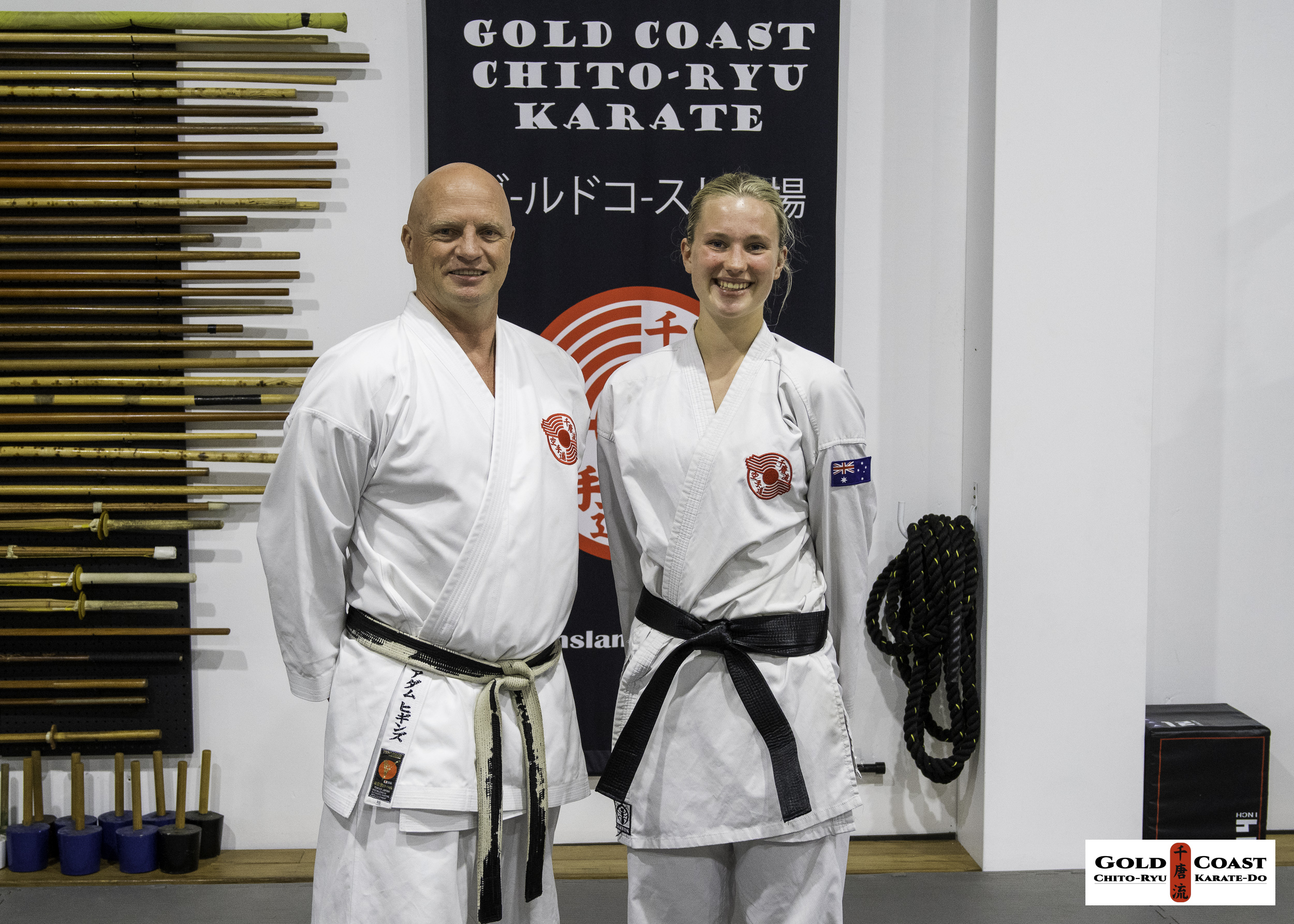
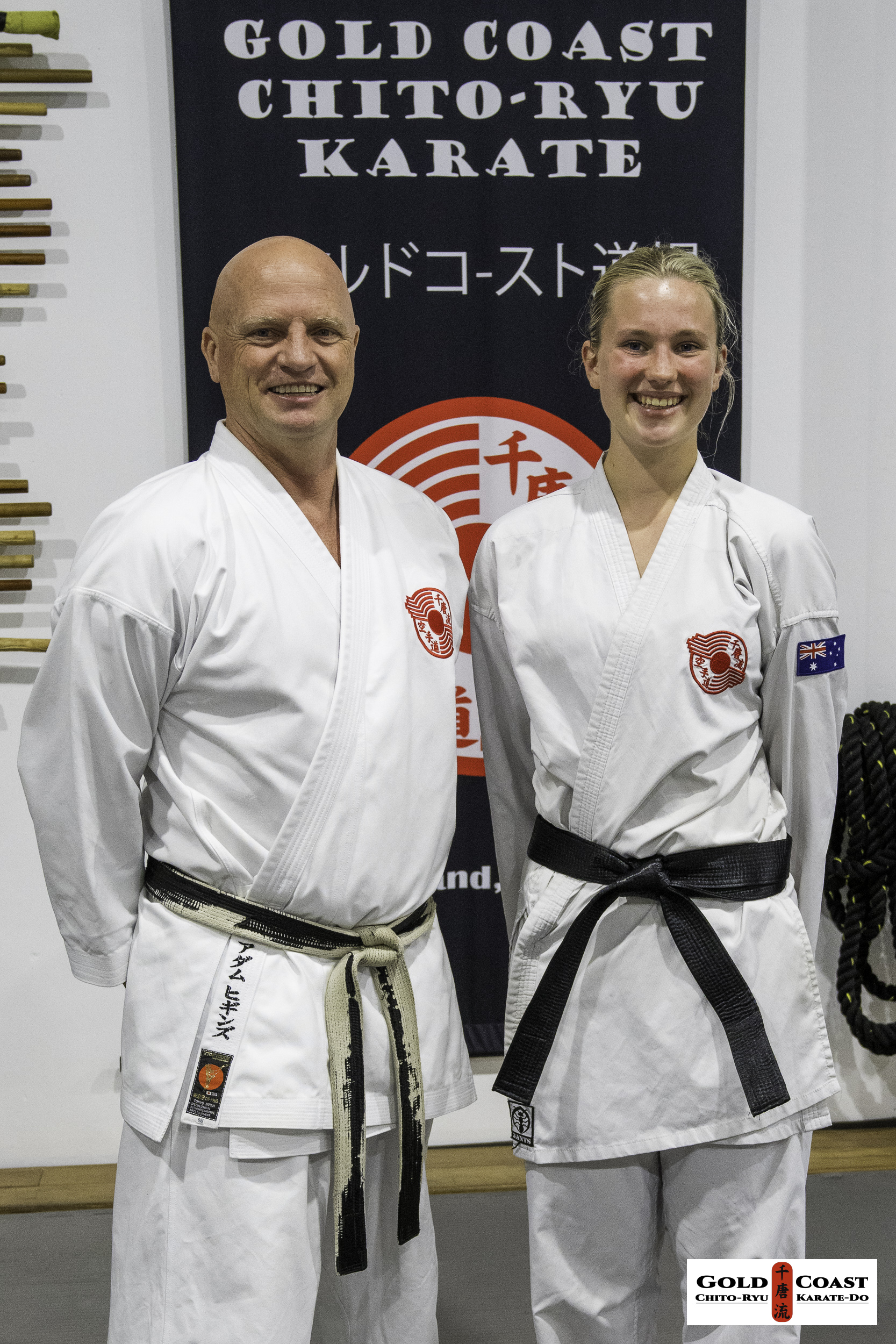
🥋 Congratulations Siani Symons – Shodan Black Belt! 🥋
A huge congratulations to Siani Symons on successfully grading to Shodan (1st Dan) Black Belt!
After years of focused training, dedication and perseverance, Siani has achieved this significant milestone in her Chito-Ryu Karate journey.
Earning a black belt takes more than technical ability. It requires discipline, resilience, determination and a commitment to continuous improvement. Siani’s achievement is a testament to the time and effort she has invested in her training and her willingness to keep challenging herself.
Shodan is not the end of the journey, but the beginning of a new chapter in her development as a karateka.
Congratulations, Siani! You should be incredibly proud of this achievement. We look forward to seeing you continue to grow and develop in your karate for many years to come! 👊
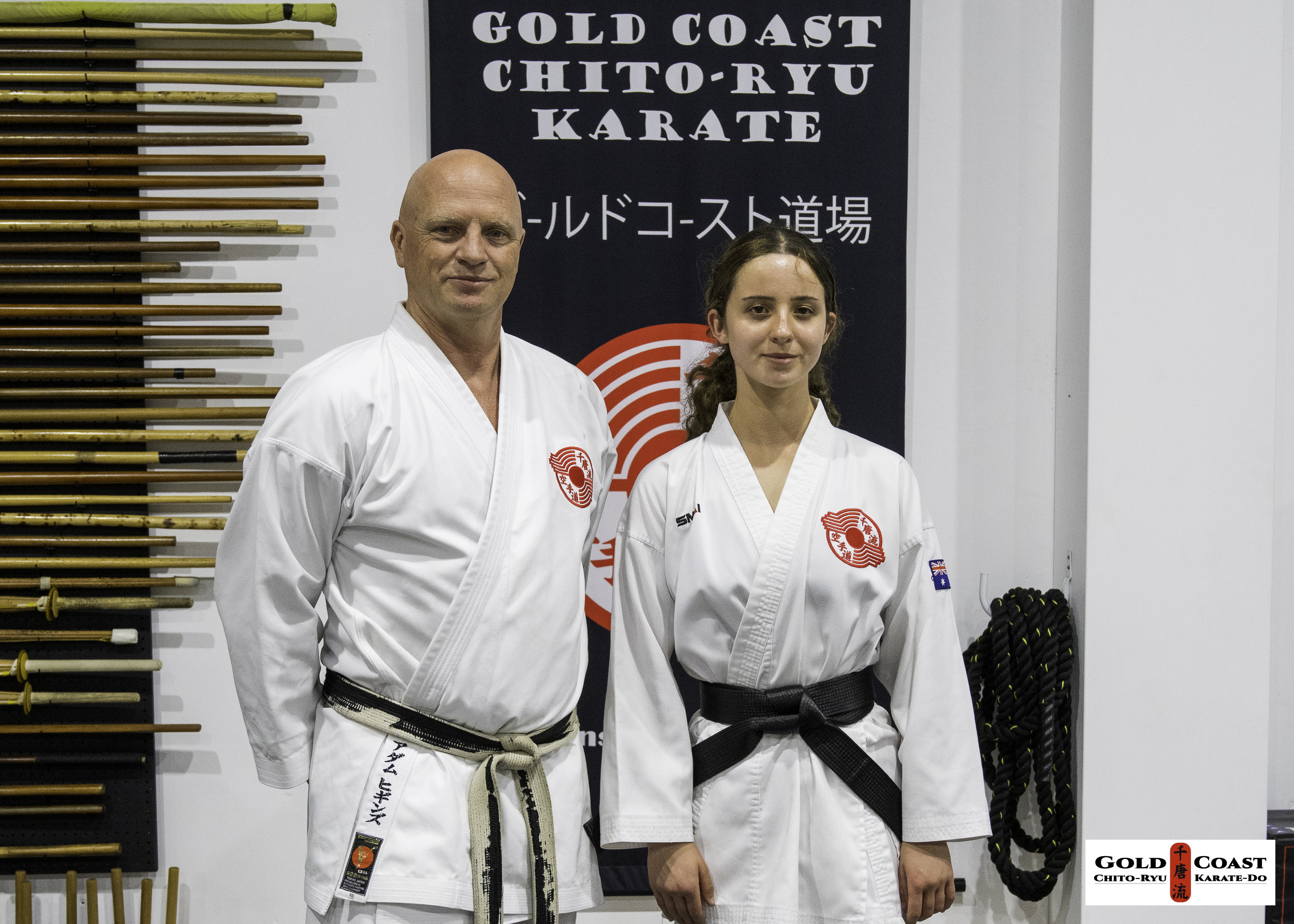
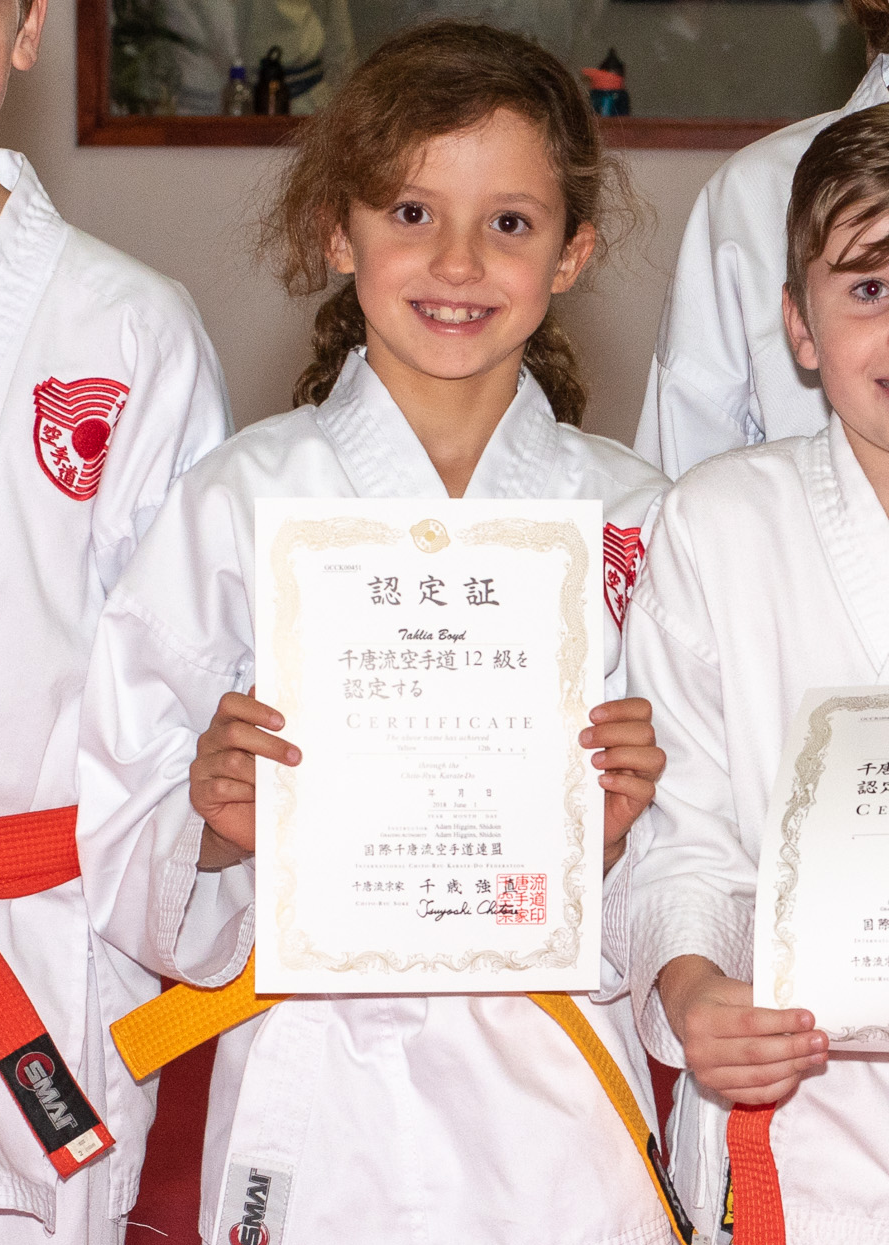
🥋 Congratulations Tahlia Boyd – Shodan Black Belt! 🥋
A huge congratulations to Tahlia Boyd on successfully grading to Shodan (1st Dan) Black Belt!
Tahlia began her Chito-Ryu Karate journey as a young child and, after years of training, dedication and perseverance, has achieved this significant milestone.
Earning a black belt takes far more than learning techniques. It requires discipline, resilience, determination and a willingness to keep pushing forward, even when things get difficult. Tahlia’s achievement is a reflection of the hard work and commitment she has put into her karate over the years.
Shodan is not the end of the journey, but the beginning of a new chapter in her development as a karateka.
Congratulations, Tahlia! You should be incredibly proud of what you have achieved. We look forward to seeing where your karate journey takes you next! 👊
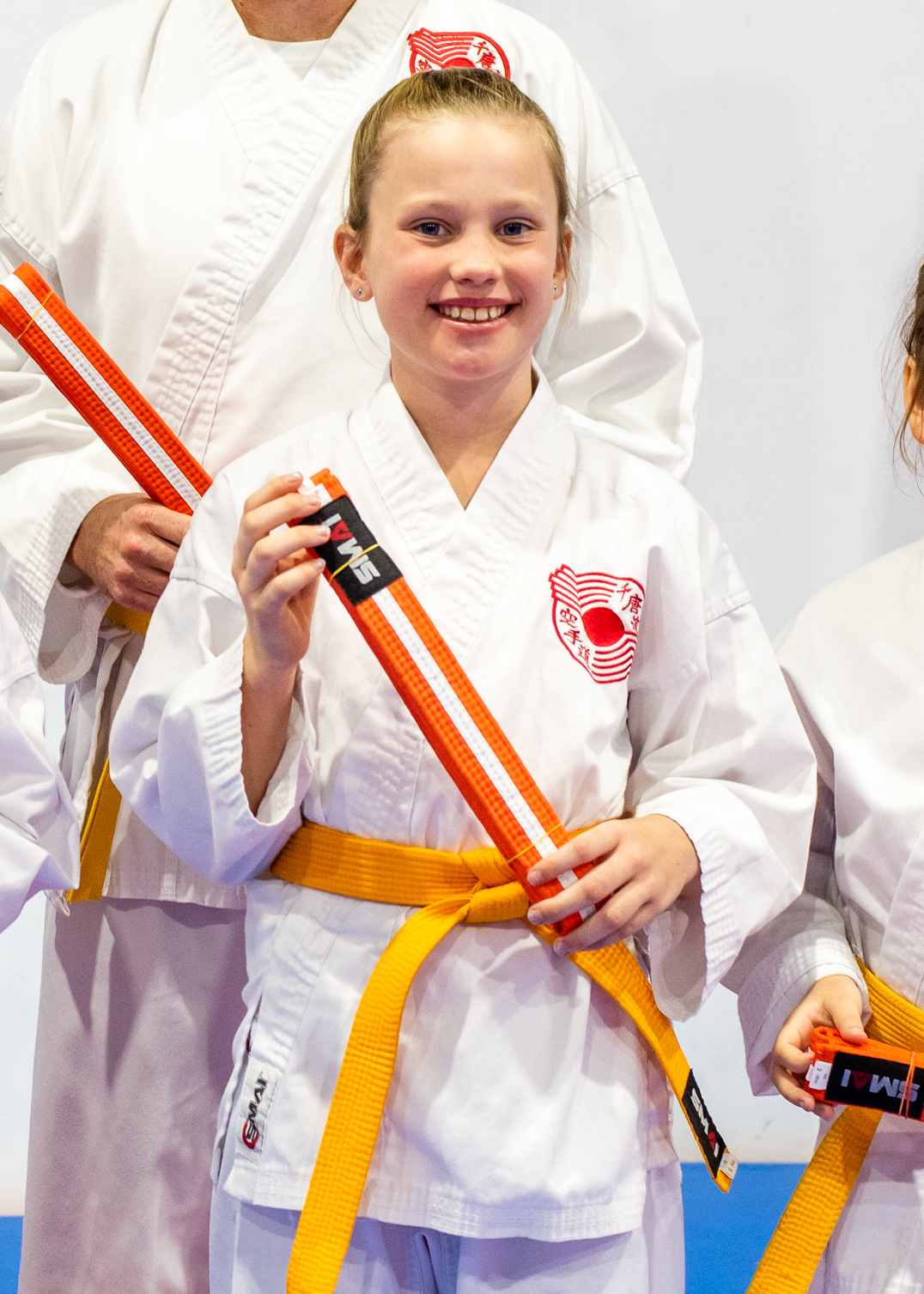
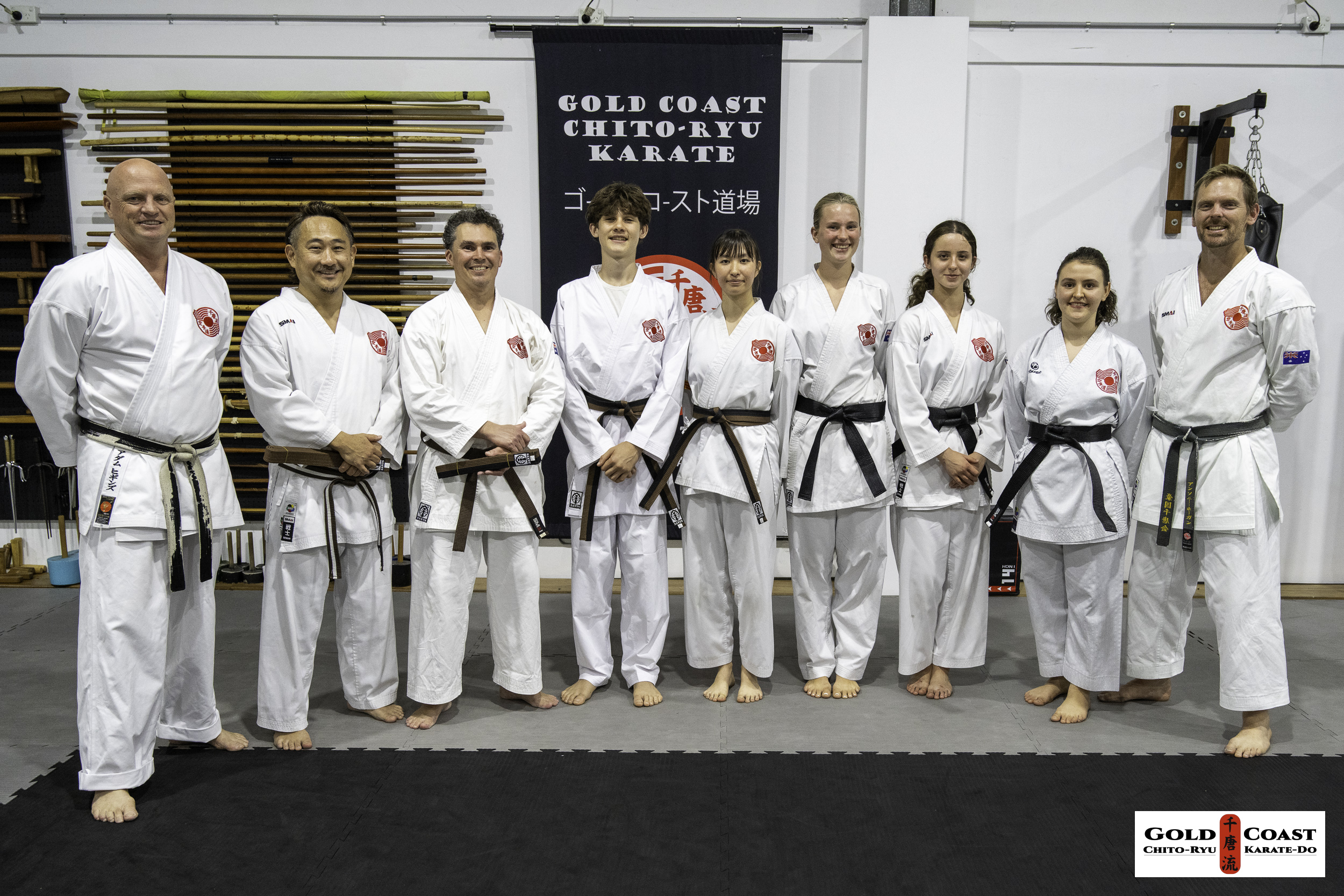
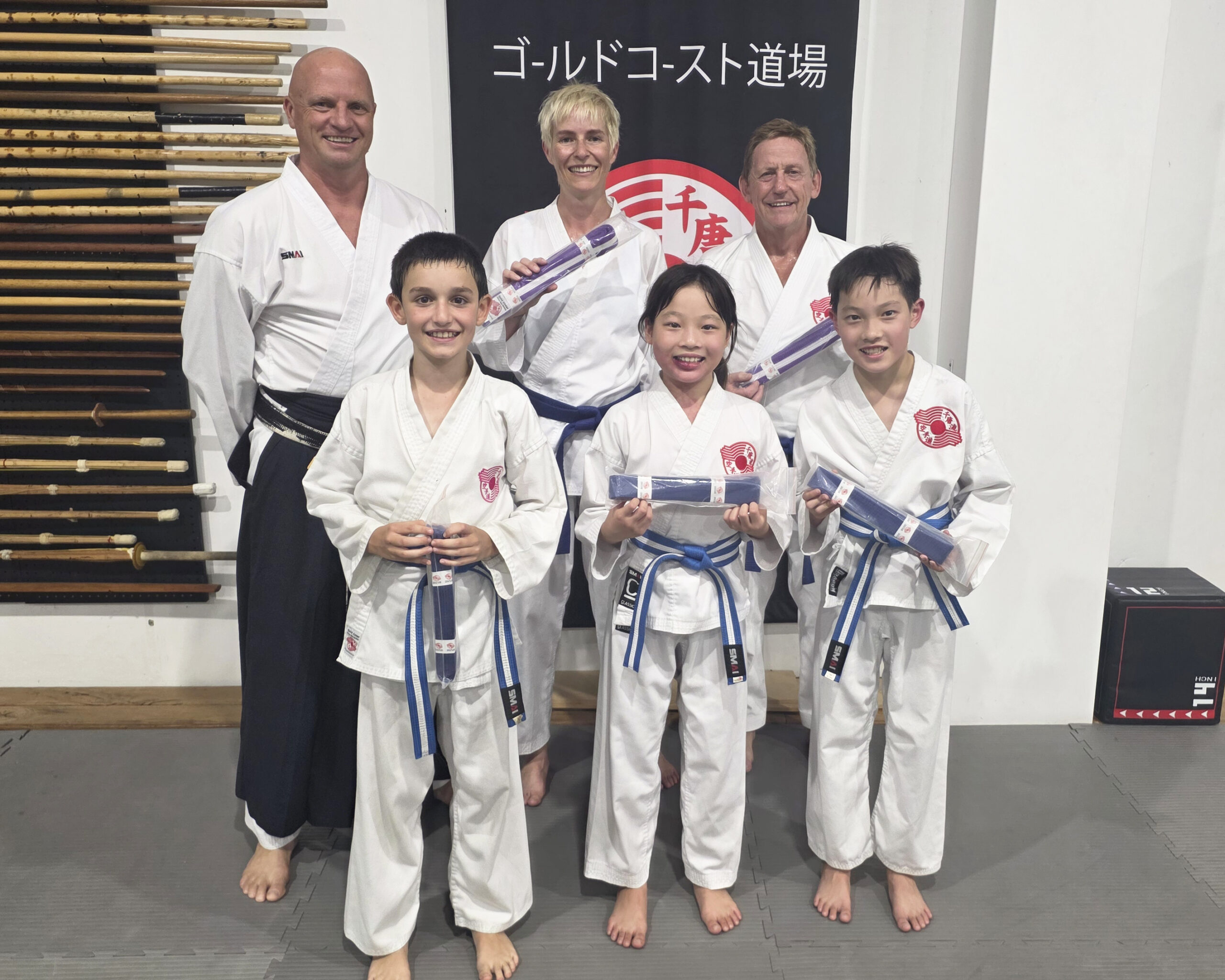
A huge congratulations to all our Brown Belts who successfully graded to their next level! You displayed excellent technique, great spirit and determination throughout your grading. The hard work, dedication and hours of training you have put in were clearly evident. Well done on a fantastic achievement!
🏆 Grading Results
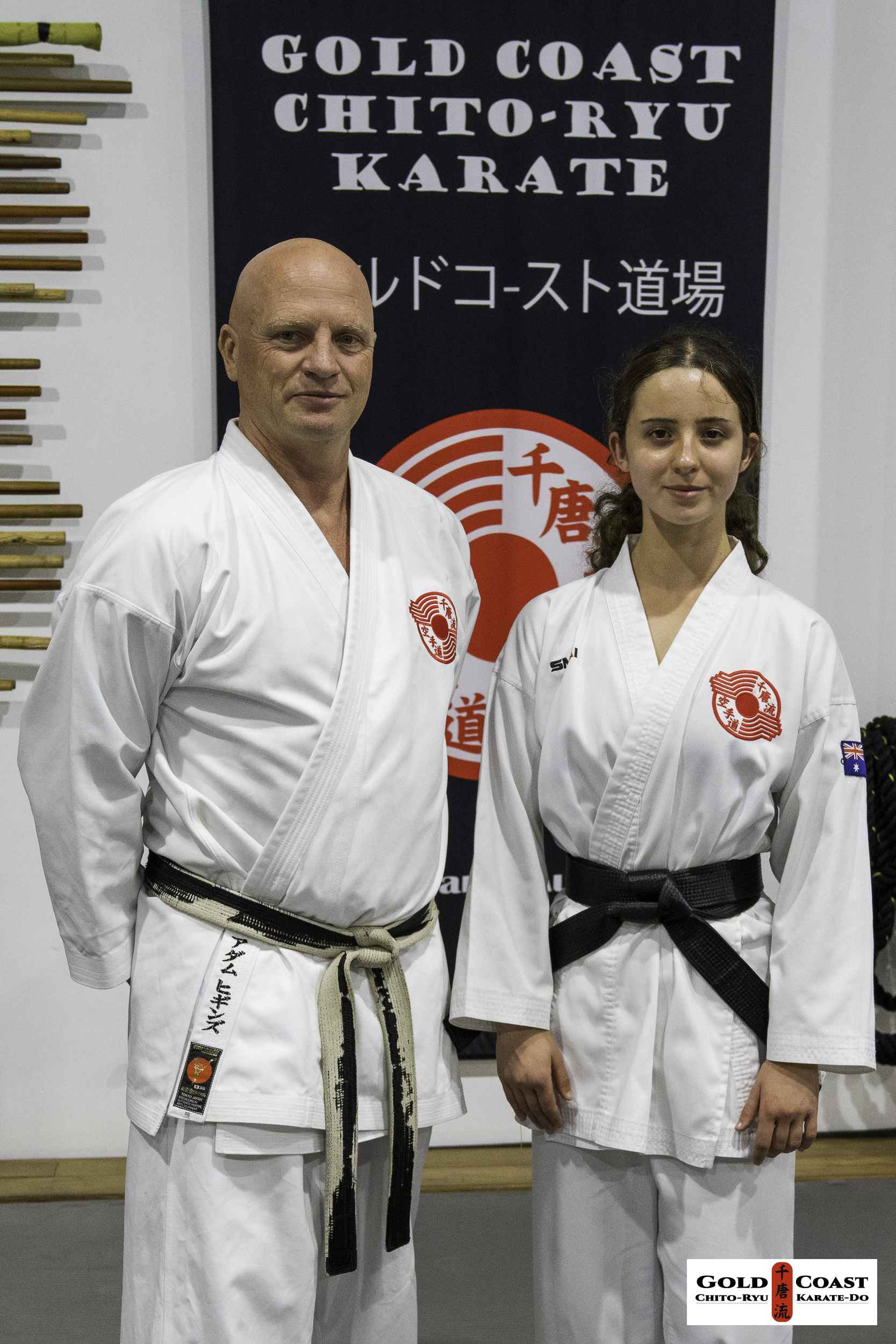
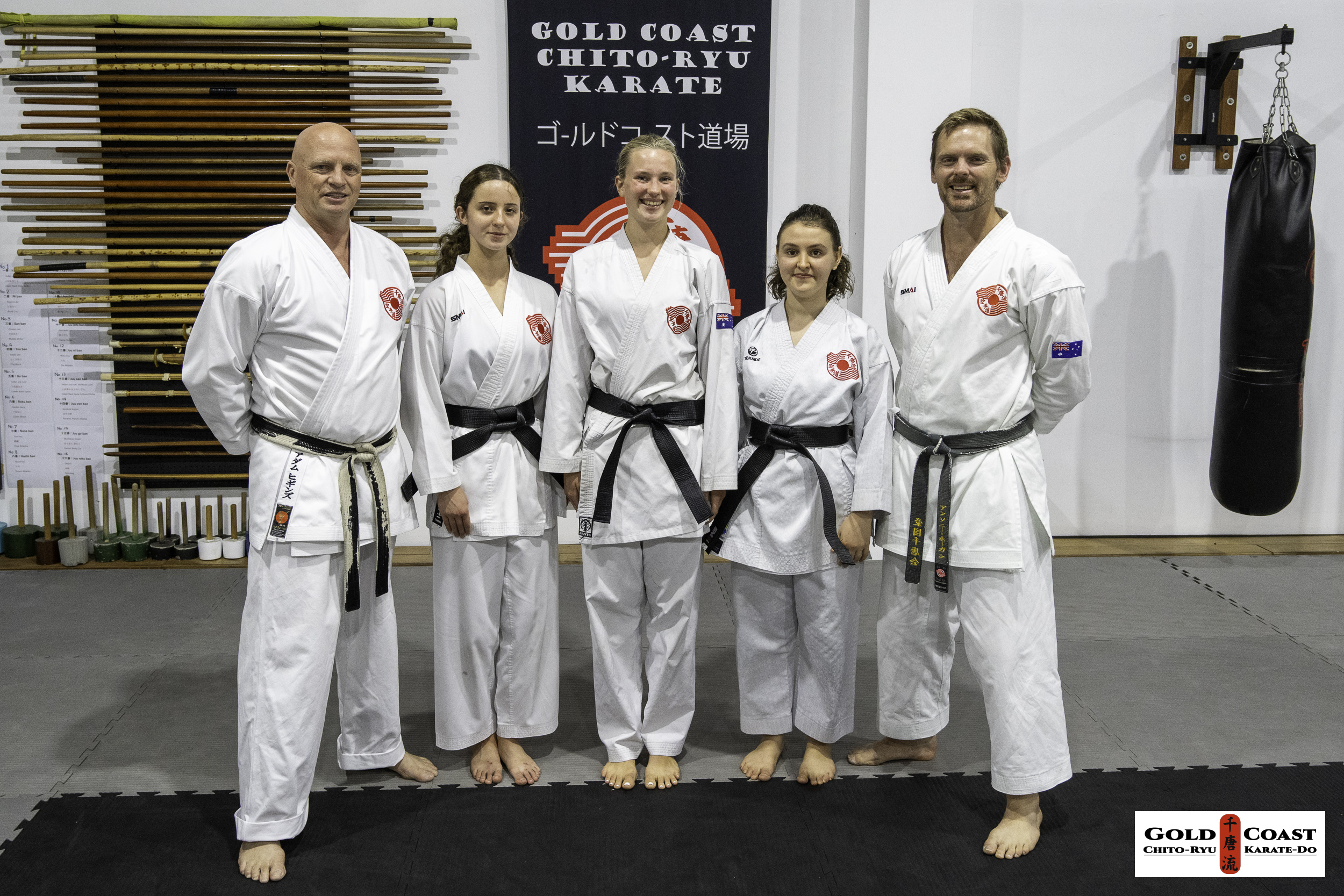
A special congratulations to our newest Shodan (1st Dan) Black Belts!
Congratulations also to our Brown Belts on their achievements:
👏 Carlo de Byl — 1st Kyu 👏 Amelie Ollivier — 1st Kyu 👏 Bohdi Valencour — 1st Kyu 👏 Naoki Tani — 2nd Kyu
Achieving these milestones takes commitment, perseverance and countless hours of training. You should all be incredibly proud of what you have accomplished. Your grading results reflect the effort you have put into your karate and your continued dedication to improving.
Thank you to all the instructors and training partners who have supported these students along the way.
Well earned, well deserved, and congratulations to everyone! 👊
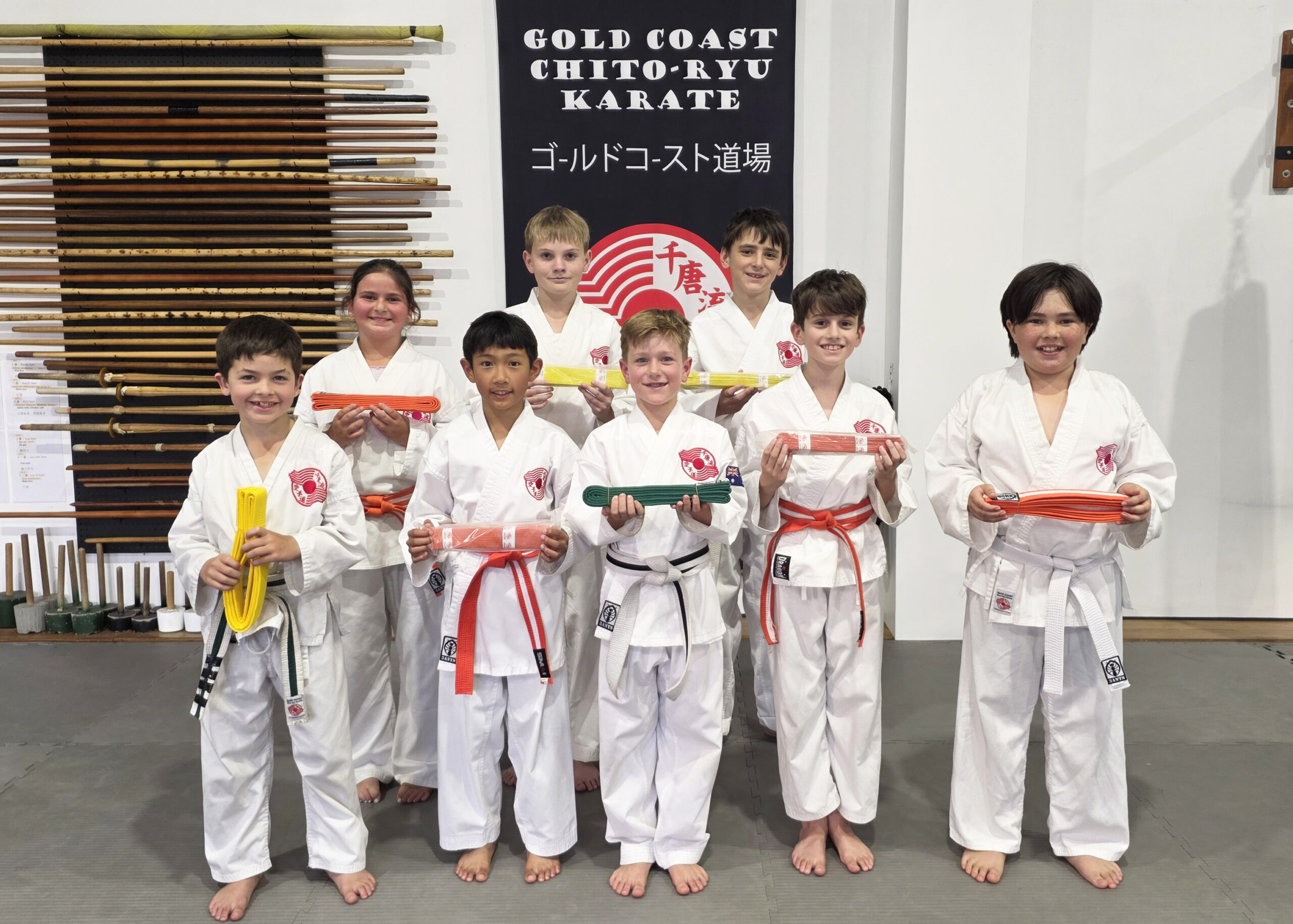
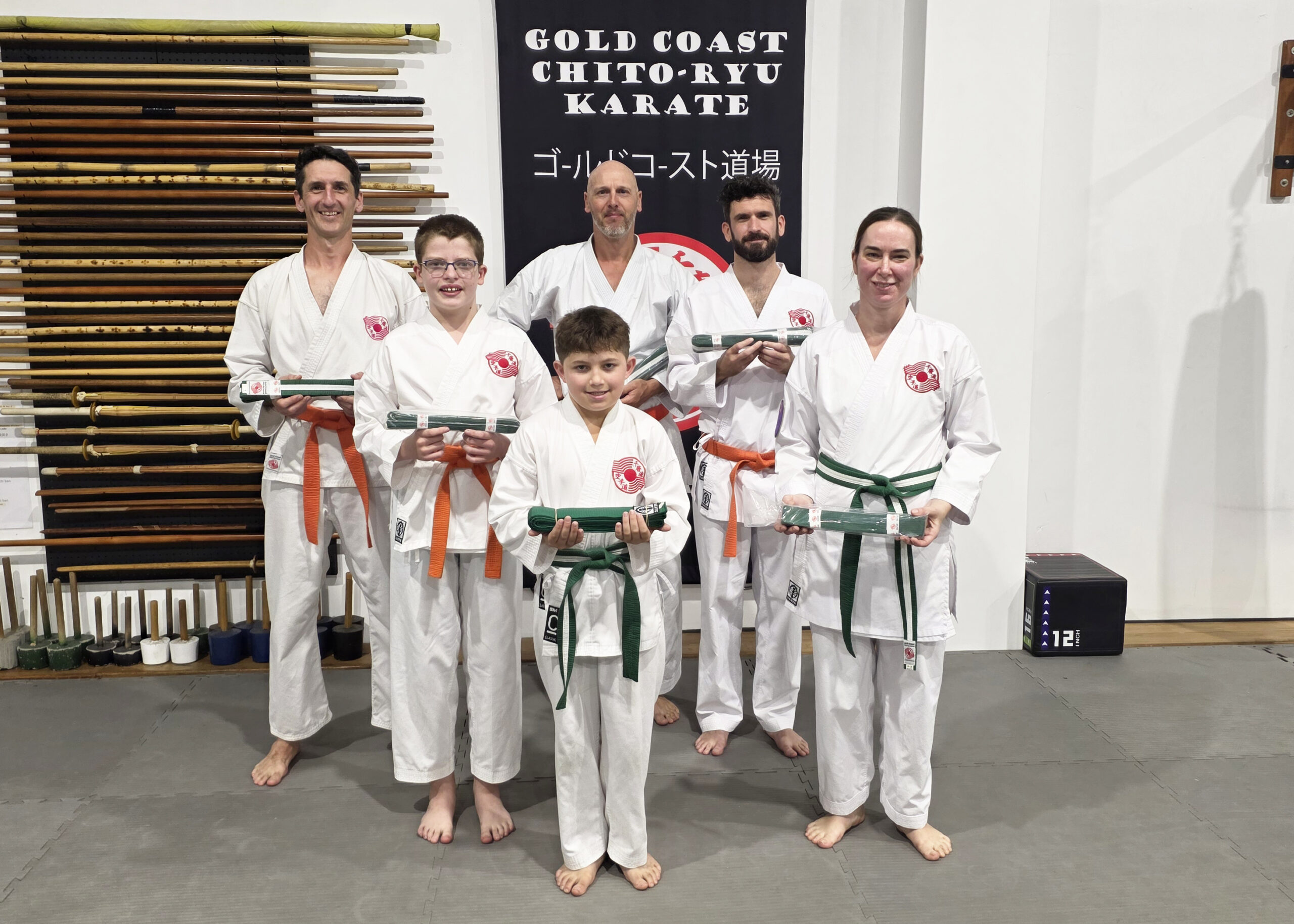
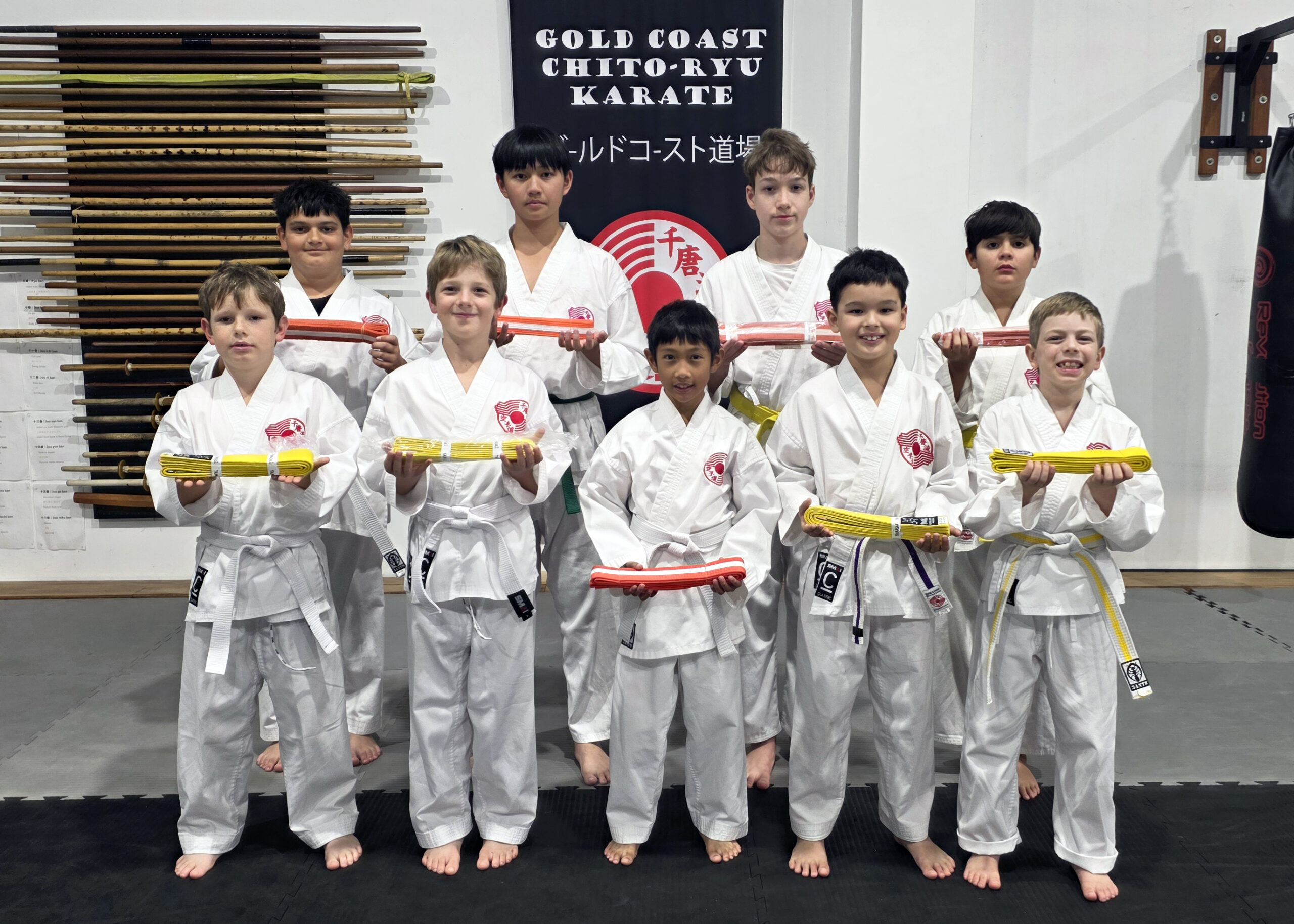
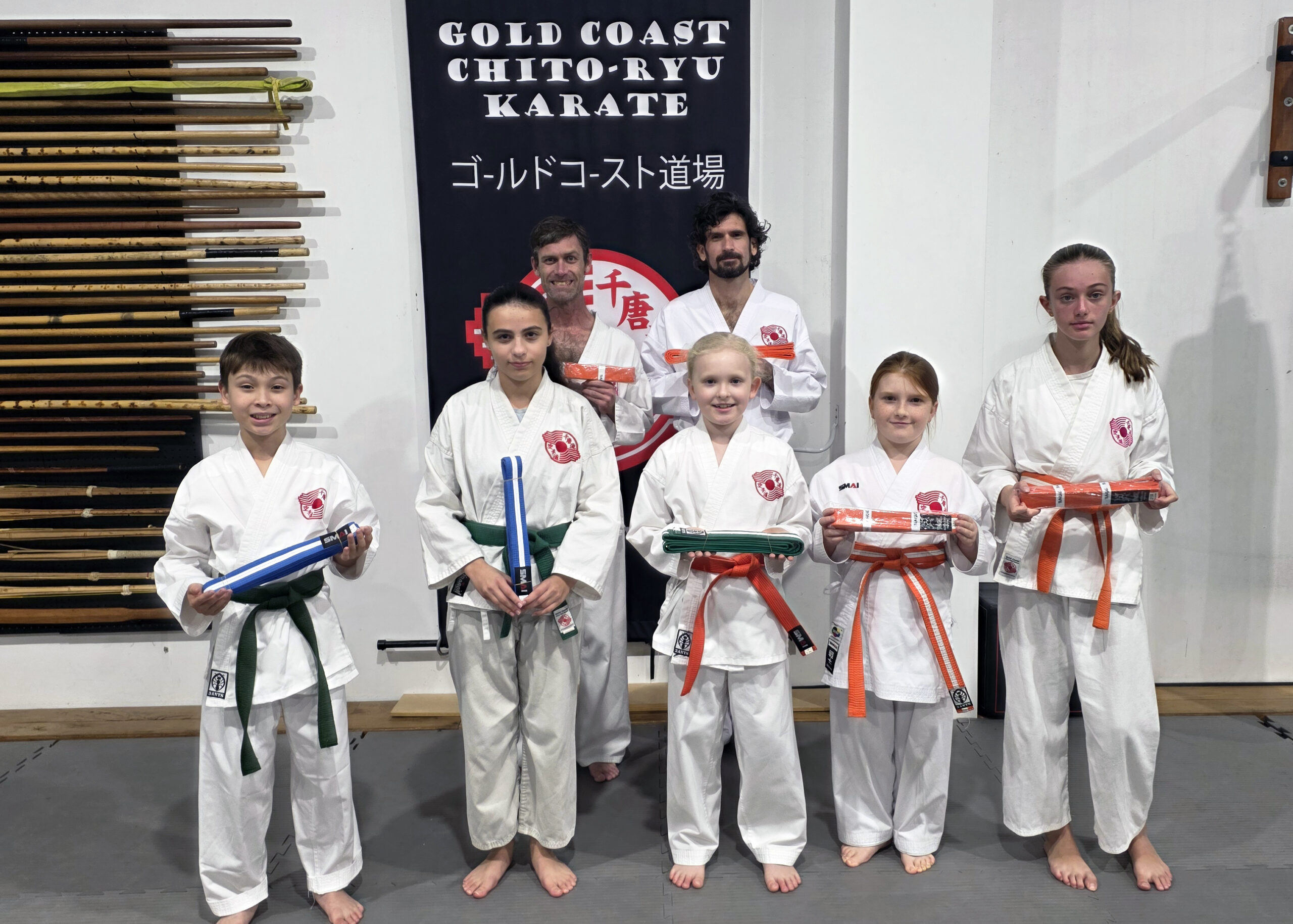
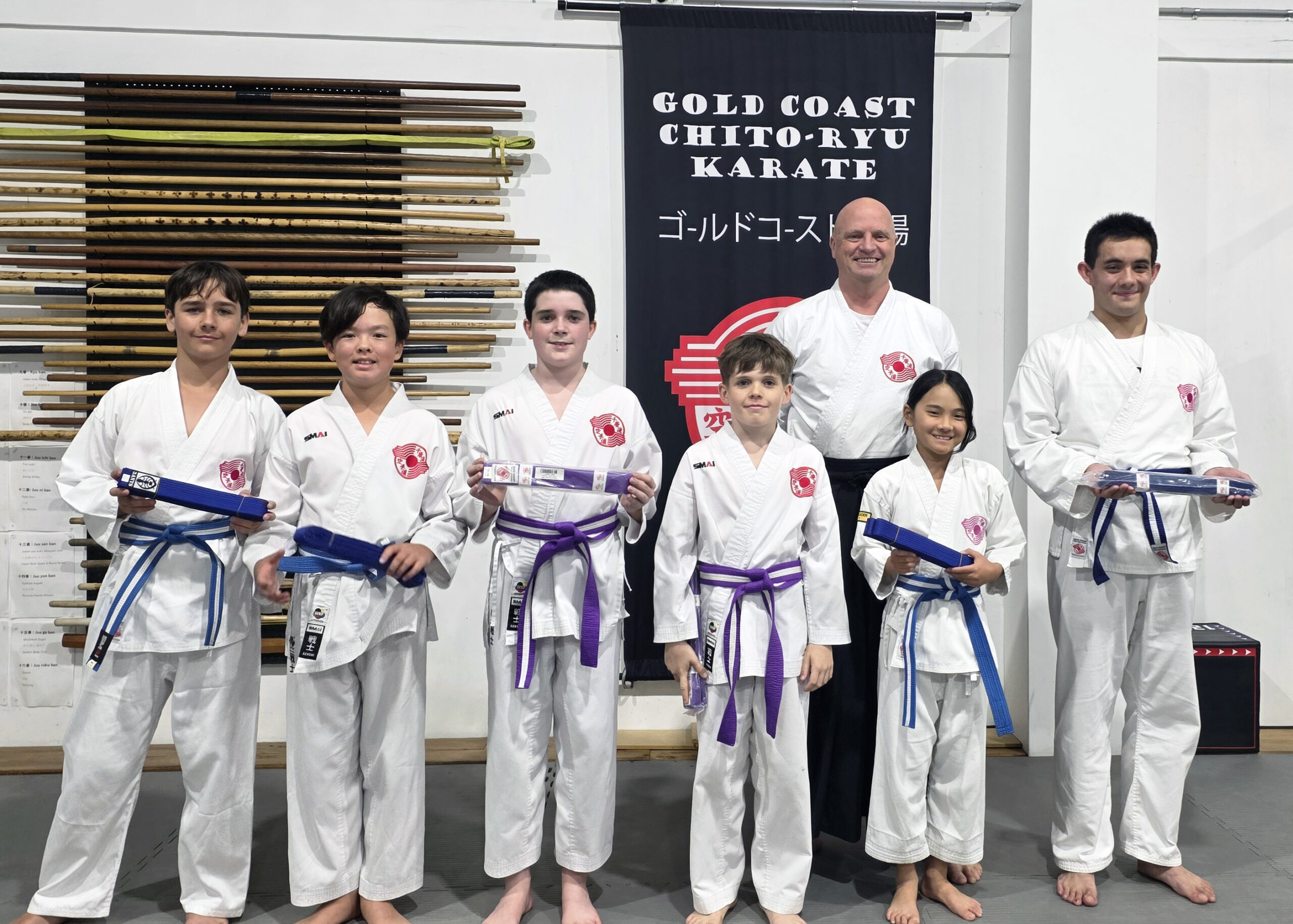
A huge congratulations to everyone who took part in our 2026 Spring Grading at Gold Coast Chito-Ryu Karate!
We are very pleased to recognise the following students for successfully achieving their next rank:
4th Kyu – Purple
Kayden Kloot
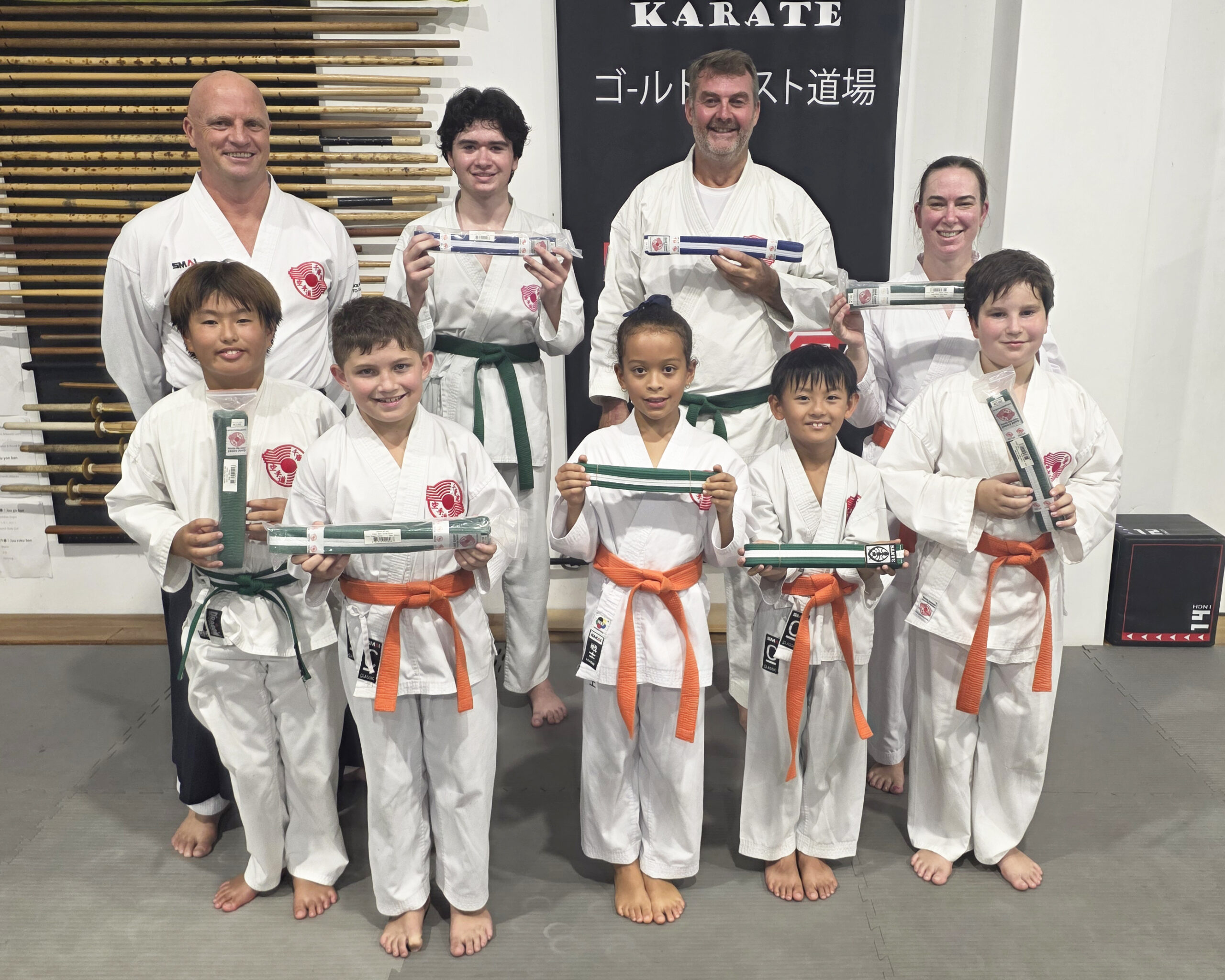
7th Kyu – Blue & White
Henry Duyvestyn
Hugo Harrington
8th Kyu – Green
Jackson Lowe
Amy Graham
9th Kyu – Green & White
Zara Deans
Leonard Mungall
Christopher Wilkinson
Jayden Vandermaat
Thomas Connolly
Ian Craig
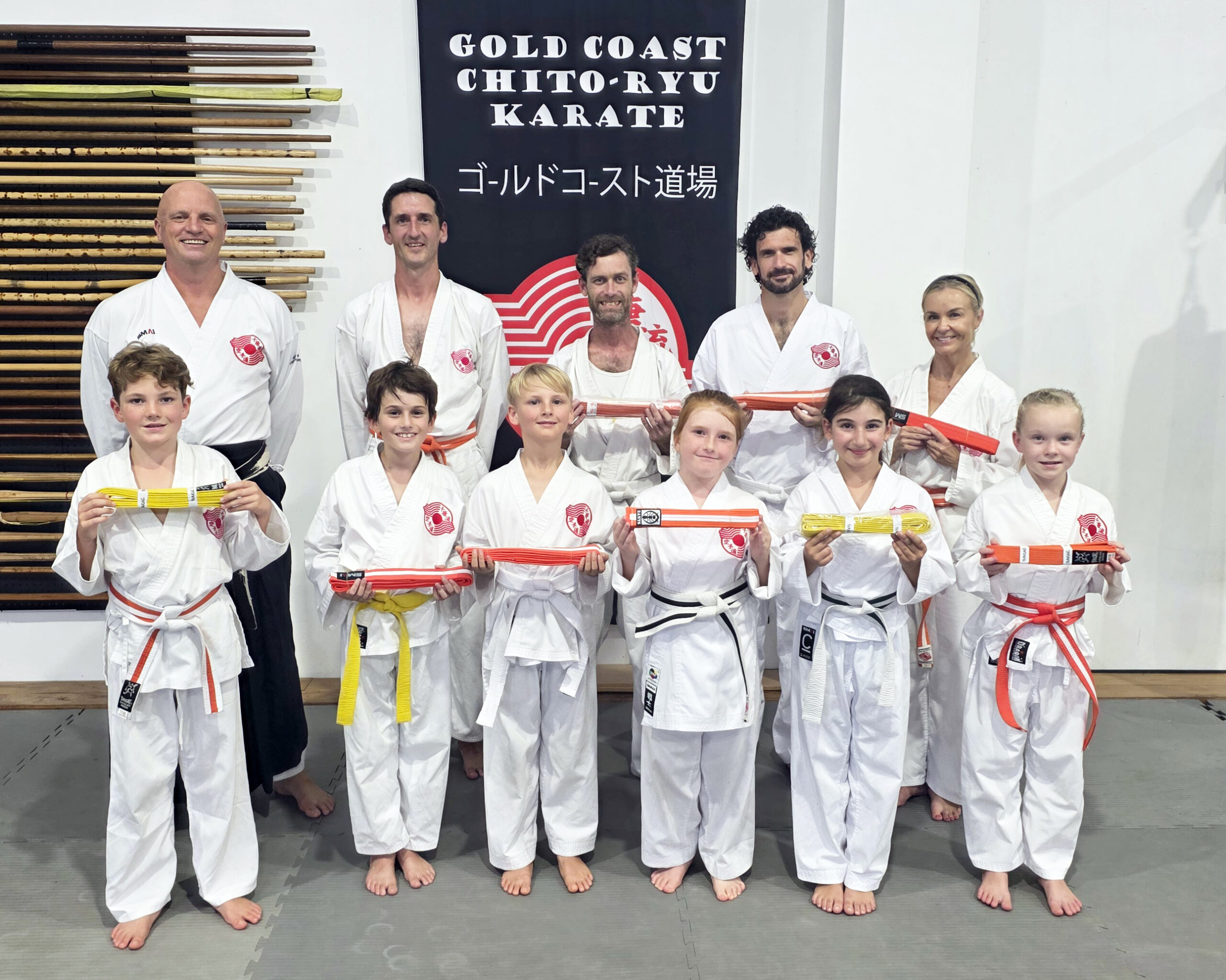
10th Kyu – Orange
Eliah Hurtig
Miguel Tapiador
Tahlia Sgouros
11th Kyu – Orange & White
Ted Baylosis
12th Kyu – Yellow
Harrison Lowe
Callan Guyan
Cayden Hensby
Well done to all of you! Your success is the result of the effort, commitment and perseverance you have put into your training.
It is also important to remember that not everyone was successful this time — and that is OK. Grading is not simply about collecting belts. The real value of karate comes from setting meaningful goals, working towards them with purpose, overcoming setbacks and continuing to improve.
Sometimes the greatest lessons come when things don’t go exactly as planned. Learning to accept disappointment, identify what needs improvement and come back stronger is how we develop discipline, resilience, confidence and a strong spirit.
Whether you received a new belt this grading or not, be proud of the effort you have made and keep moving forward.
Set your goal. Train with purpose. Never give up.
Congratulations to everyone who participated in the 2026 Spring Grading!
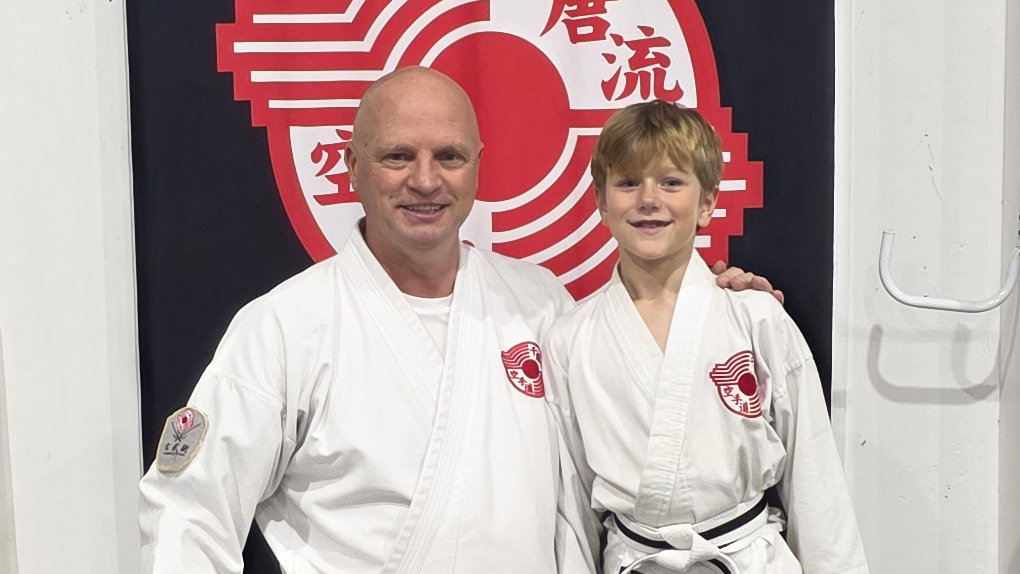
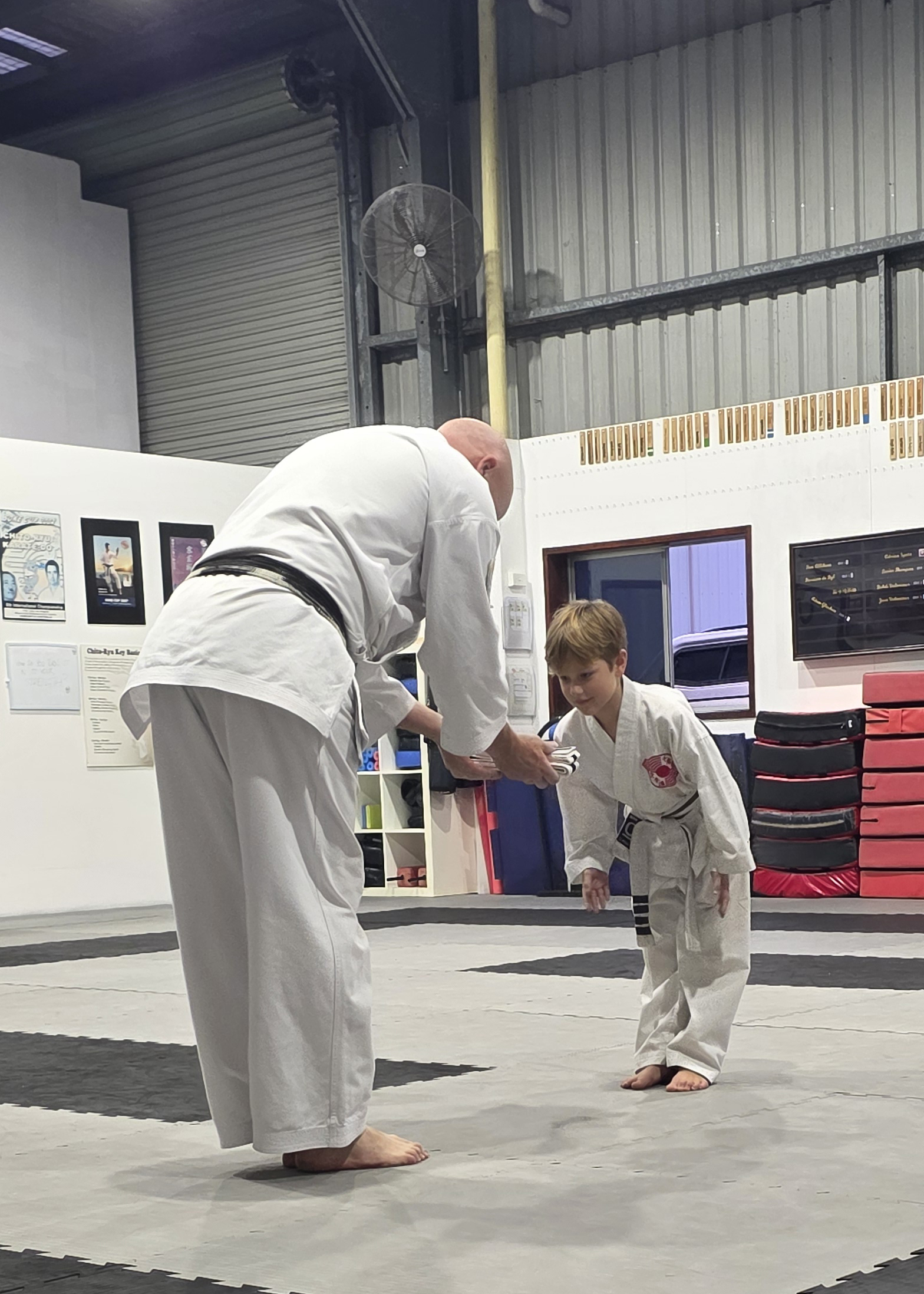
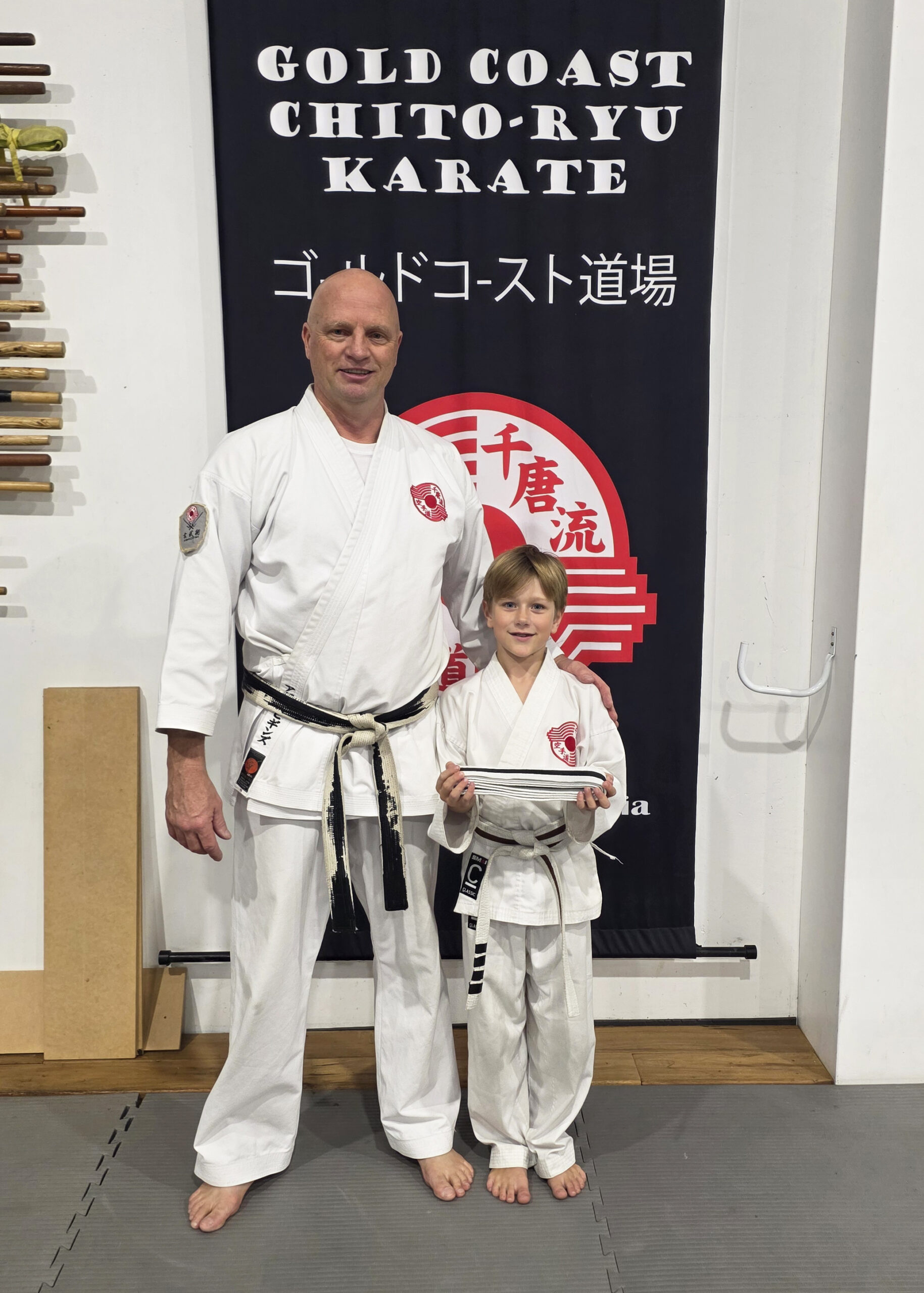
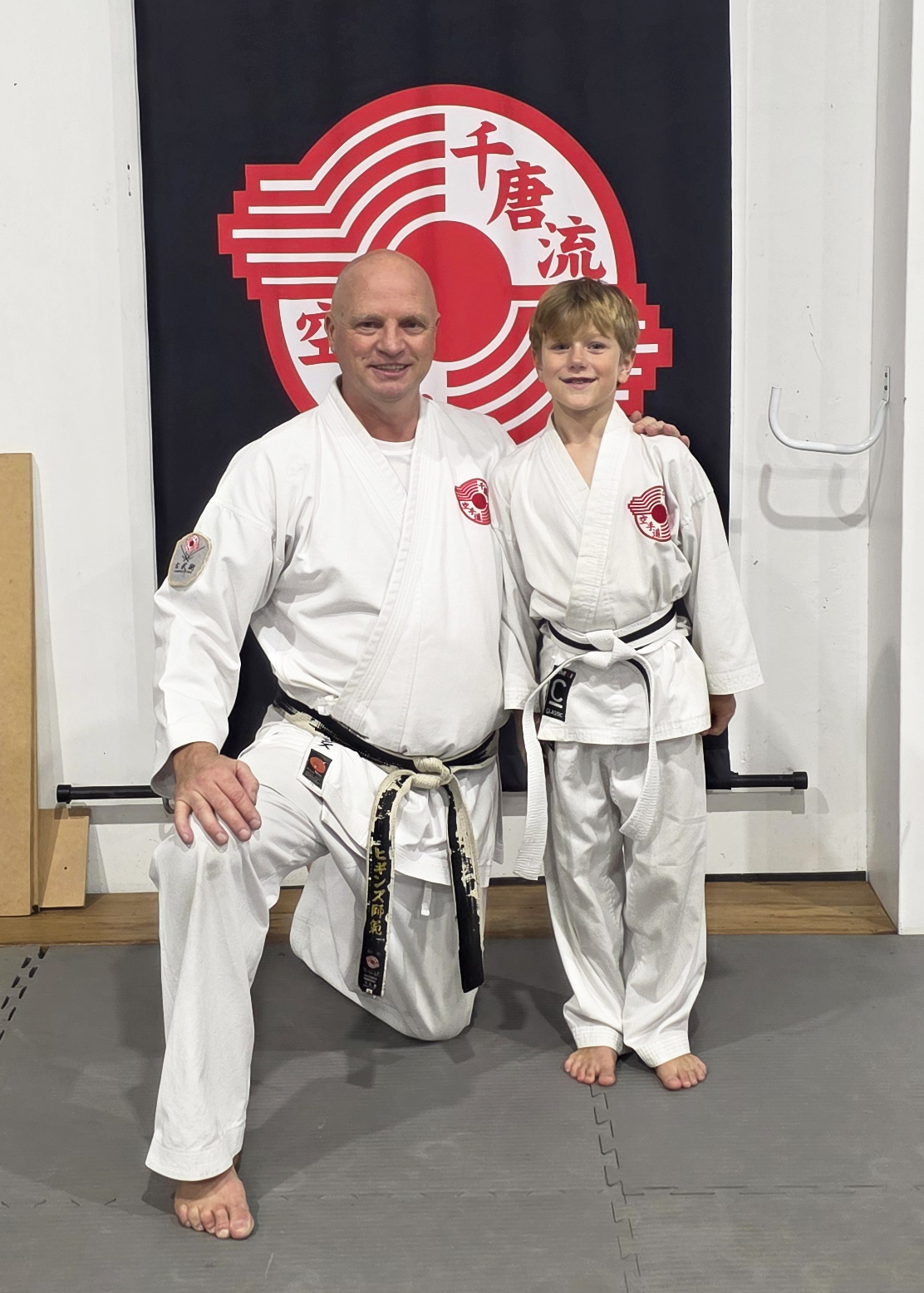
🎉 Congratulations to Leonard Mungall on Achieving His Little Champion Black Belt! 🥋⚫
A huge congratulations to Leonard Mungall on earning his Little Champion Black Belt at Gold Coast Chito-Ryu Karate!
Reaching Little Champion Black Belt is a very special milestone and is a testament to Leonard’s dedication, perseverance, and positive attitude throughout his karate journey. He has consistently shown a willingness to learn, work hard, and never give up, and this achievement is well deserved.
While receiving a Black Belt is an incredible accomplishment, it also marks the beginning of an exciting new chapter. There is still so much to learn, and we look forward to watching Leonard continue to grow both as a karateka and as a person.
Congratulations once again, Leonard. We are all incredibly proud of you and can’t wait to see what you achieve next!
Some great performances by our Gold Coast Team at the Sunshine Coast Winter Tournament with 3 Gold, 5 Silver, 4 Bronze. Well done to every one who competed!
Congratulations to all students who successfully completed their grading at the 2026 Winter Grading for Gold Coast Chito-Ryu Karate.
Grading is not just about the day itself — it reflects the many hours of training, persistence, focus, and effort that each student has invested over time. Every class attended, every correction worked on, and every challenge overcome has helped prepare you for this achievement.
Well done to everyone who stepped onto the floor and gave their best. Your commitment to improving both physically and mentally is something to be proud of.
To those who graded successfully, congratulations on reaching the next stage of your karate journey. And to all students, remember that growth comes from continuing to train, learn, and persevere.
Choosing the right karate school is one of the most important decisions you can make when starting—or continuing—your martial arts journey. Not all schools are created equal, and understanding what to look for can make the difference between simply attending classes and truly learning authentic karate.
What Makes a Good Karate School?
A quality karate school should offer more than just a workout. While fitness is a benefit, traditional karate is about developing the whole person—physically, mentally, and emotionally. Look for a school that emphasises discipline, respect, focus, and personal growth alongside technique.
Strong, structured classes are another key indicator. A good dojo will have a clear curriculum, progressive learning, and a balance of basics (kihon), forms (kata), and application (kumite). There should be a logical pathway for students to develop over time, rather than random or inconsistent training.
Book a free trial lesson at Gold Coast Chito-Ryu Karate –
The instructor plays a critical role in your experience. A good teacher doesn’t just demonstrate techniques—they understand them deeply and can break them down in a way students of all levels can grasp.
Look for instructors with years of training, a proven track record, and the ability to connect with students. They should maintain high standards while still creating a supportive and encouraging environment.
The Importance of True Lineage
One of the most overlooked—but essential—elements of a good karate school is lineage.
Authentic karate is passed down from teacher to student over generations. This lineage ensures that what is being taught is not diluted, modified beyond recognition, or simply made up. It connects students to the origins of the art and preserves the principles that make karate effective.
Without a clear lineage, it becomes difficult to verify the legitimacy of the techniques or the ranking system. Unfortunately, in today’s world, it’s easy for schools to claim credibility without a genuine connection to traditional roots.
A reputable dojo will openly share its lineage and affiliations, showing exactly where its teachings come from.
Real Karate vs “McDojo” Training
In your search, you may come across schools that prioritise rapid grading, flashy techniques, or commercial gain over substance. These are often referred to as “McDojos.”
Signs to watch for include:
Guaranteed black belts in a short time
Excessive focus on fees over training quality
Lack of depth in technique or understanding
Minimal emphasis on discipline or tradition
Authentic karate takes time. It requires patience, consistency, and effort. A good school will never promise shortcuts—it will guide you through a proven process of development.
Community and Culture
A strong dojo culture is another important factor. Students should feel supported, challenged, and part of a community. Respect between instructors and students—and among students themselves—should be evident from the moment you walk in.
A positive environment helps students stay motivated and committed over the long term.
An Example of a Quality Dojo
While these principles apply broadly, a school like Gold Coast Chito-Ryu Karate is a strong example of what to look for.
With a foundation in traditional Chito-Ryu karate, the dojo emphasises authentic technique, structured learning, and strong fundamentals. Its clear lineage ensures students are learning a system that has been passed down with integrity, preserving both effectiveness and tradition.
Beyond technique, the focus is on developing character—building confidence, discipline, and resilience in students of all ages. Classes are designed to challenge individuals while supporting them in their personal journey, whether they are beginners or working toward advanced ranks.
Final Thoughts
Choosing a karate school shouldn’t be rushed. Take the time to visit, observe, and ask questions. Look beyond the surface and consider the depth of what is being taught.
Authentic karate is more than kicks and punches—it’s a lifelong path of growth. When you find the right dojo, you’re not just joining a class—you’re becoming part of a tradition.
Congratulations to all students who successfully passed their recent grading at Gold Coast Chito-Ryu Karate.
Gradings are an important milestone in every student’s karate journey. They represent the dedication, perseverance, and consistent effort students put into their training week after week. Each grading is not only a test of technique, but also of spirit, focus, and character.
It was fantastic to see students of all ages step onto the dojo floor and demonstrate their progress in kihon (basics), kata, and kumite. The improvement across the dojo continues to be impressive, and it is clear that everyone is committed to striving for their personal best.
Achieving a new belt or stripe is something to be proud of, but it is also a reminder that karate is a lifelong journey of learning and self-development. Every new rank brings new challenges and new opportunities to grow.
A special thank you also goes to the instructors and senior students who help guide and support our members through their training and preparation.
Once again, congratulations to all students who graded. We look forward to seeing you continue your journey toward your next goals in karate.
Train hard, stay humble, and keep moving forward. 🥋
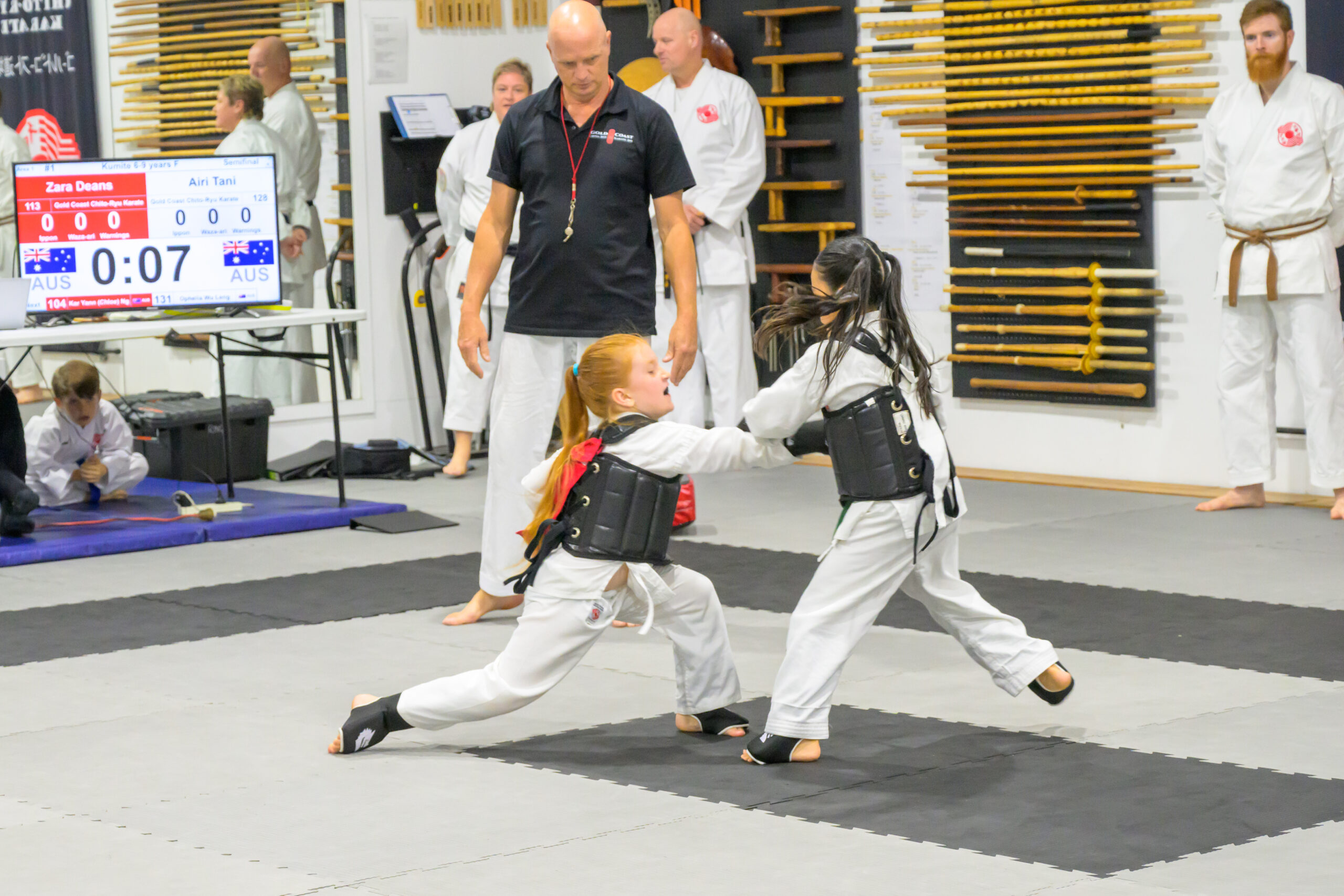
Tom Allibone (5 Kyu – Purple & White) Sarah Huston (5 Kyu – Purple & White) Leon Cersofios (6 Kyu – Blue) Hou Leung (Cody) Ng (6 Kyu – Blue) Kar Yann (Chloe) Ng (6 Kyu – Blue) Harrison Coughlin (7 Kyu – Blue & White) Jeremy Valencour (7 Kyu – Blue & White) Zen Kudo (8 Kyu – Green) Owen Constantino (9 Kyu – Green & White) Amy Graham (9 Kyu – Green & White) Robert Graham (9 Kyu – Green & White) Jackson Lowe (9 Kyu – Green & White) Ophelia Wu Leng (9 Kyu – Green & White) Thomas Connolly (10 Kyu – Orange) Amelia Wyatt (10 Kyu – Orange) Katie Wyatt (10 Kyu – Orange) Rhen Craig (11 Kyu – Orange & White) Zara Deans (11 Kyu – Orange & White) Eliah Hurtig (11 Kyu – Orange & White) Jayden Vandermaat (11 Kyu – Orange & White) Liam Wood (11 Kyu – Orange & White) Vienna Bakir (12 Kyu – Yellow) Leo Everitt (12 Kyu – Yellow)
As we approach the Gold Coast Cup, I want to speak to you not just as an instructor, but as someone who has spent decades on the dojo floor, watching young students grow into capable, confident adults.
I want to ask you something important:
What kind of children do we want to raise?
Do we want children protected from pressure… Or children who learn how to handle it?
Do we want children who avoid failure… Or children who learn how to fall, adapt, and rise again?
Because that is what this journey is really about.
Karate is more than an activity. It’s more than movement, uniforms, or belts.
Karate is the moment your child stands on the tatami— Facing an opponent, Facing their nerves, Facing the result of their effort.
And it is in that moment that real growth happens.
In the lead-up to competition, I often hear:
“He’s not competing, he has school.” “She’s not competing, she’s not ready.” “They’ll do it next time.”
I understand these concerns. Truly.
But here is the reality:
A child will never feel “ready” if they are taught to step away from challenges.
Competition does not harm a child. Avoiding challenge does.
I know there are fears:
Fear of injury. Fear of losing. Fear of disappointment.
But more often than not, it is not the child who is afraid— It is the adult.
And children take their cues from us.
On the dojo floor, we are not building champions overnight.
We are building character.
Through competition, your child learns:
– How to manage their emotions – How to face fear – How to accept both winning and losing – How to show respect under pressure – How to take responsibility for their performance
These lessons cannot be taught through words alone. They must be experienced.
Without challenge, karate risks becoming just exercise.
And that is not what we do here.
A belt is not a reward for attendance. It represents effort, growth, and the willingness to step forward when it matters.
That is why participation—especially in events like the Gold Coast Cup—is such an important part of the journey.
Not as pressure. Not as punishment. But as a standard.
Because we cannot teach courage while allowing avoidance. And we cannot build strong character inside a comfort zone.
So I leave you with this:
When your child faces life outside the dojo— A tough exam, a job interview, a setback, or a challenge—
Will they step forward with confidence… Or step back to avoid it?
In the dojo, they have a safe place to learn this.
With guidance. With structure. With support.
I choose to teach them to face challenges.
And together, we can give them the opportunity to grow into the kind of people we all want them to become.